

A missing shingle or a small leak feels manageable right up until it isn’t. Most homeowners in Pine Ridge and Pikesville, MD wait longer than they should before calling a contractor, and that gap between “I noticed something” and “I actually booked someone” is where small fixes quietly become expensive ones. The timing of when you call matters almost as much as finding the right crew to do the work.
Why the Calendar Shapes What You Pay and How Long You Wait
Roofing contractors run on a predictable cycle of demand, and understanding it gives you real leverage. The busiest stretch for most crews in this area runs from late spring through early fall. Homeowners who put off calling during that window often find themselves waiting two to four weeks just for an initial inspection, and material lead times can stack on top of that. Shingle availability fluctuates with manufacturer schedules, and when half a neighborhood calls at once after a bad storm, suppliers feel it.
Pricing follows the same pattern. Contractors who are fully booked have less reason to sharpen their pencils. A job quoted in a slower period will often come in meaningfully lower, not because the work is different, but because the contractor has room to move. Bravo Roofing has observed that customers who book outside peak demand windows typically get faster scheduling and more thorough attention during the estimate, simply because the crew isn’t racing to the next call.
The practical takeaway: if your roof has a problem you’ve been watching, don’t wait for it to get worse before you call. Book the inspection now, even if you plan to schedule the actual work for later. Getting on a contractor’s calendar early costs nothing and protects you from the back-of-the-line problem.
Realistic Timelines From First Call to Finished Job
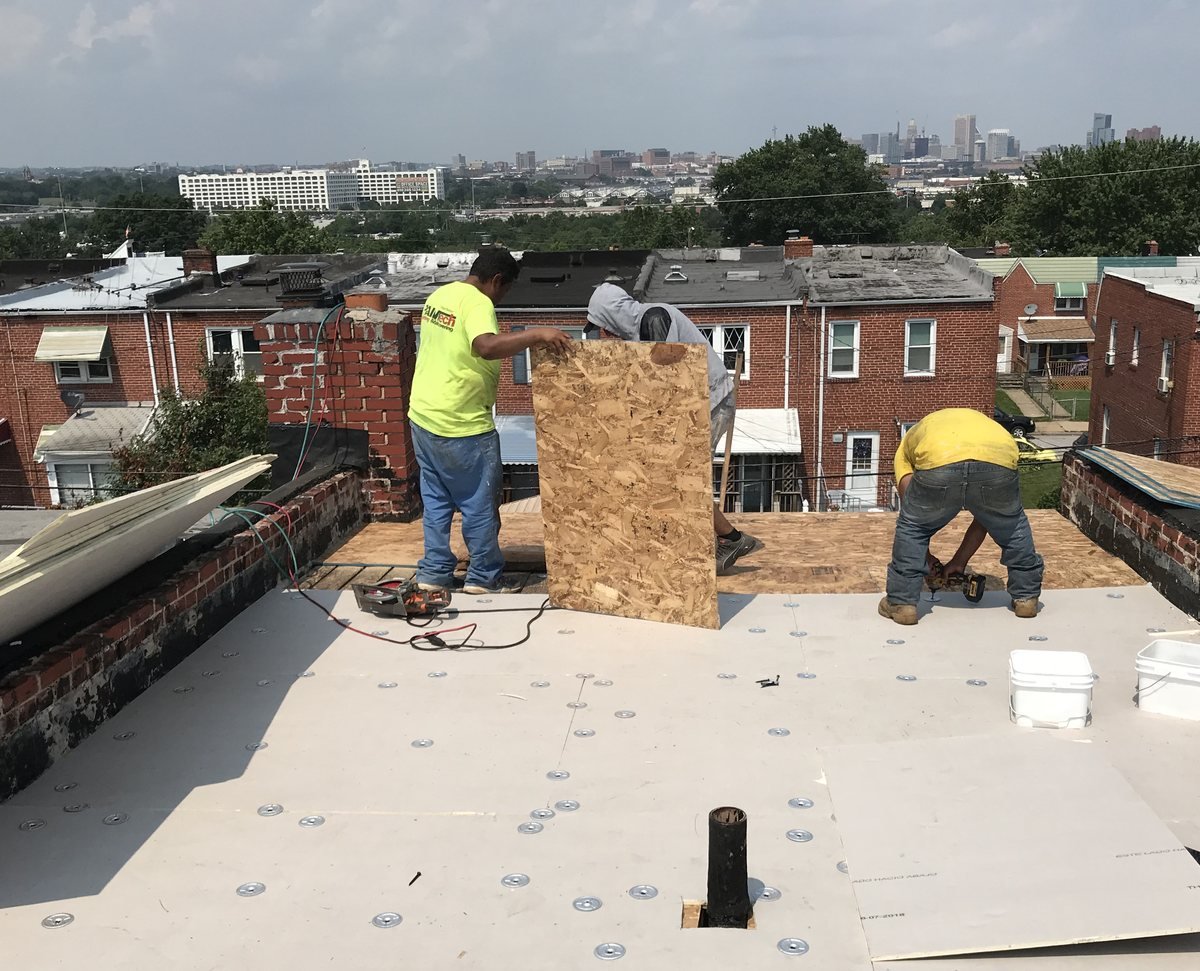
Customers often assume a repair is a one-day turnaround. Sometimes it is. A straightforward shingle replacement on an accessible pitch, with materials in stock, can be done in a few hours. But most jobs involve at least one variable that stretches the timeline.
Inspection to estimate typically takes one to three days. If the damage is limited and the scope is clear, a written estimate can come back the same day. More complex situations, like suspected decking damage or flashing that needs to be traced back to a valley, may require a second look before a contractor will commit to a firm number. That’s not stalling; that’s accuracy.
Once you approve the work, material ordering adds another two to seven business days depending on what’s needed. Standard three-tab or architectural shingles in common colors are usually available quickly. Specialty materials, matching older profiles, or anything requiring a special order from a regional supplier can push that out. Homeowners near Old Court Road and Rader Avenue who have older homes with less common profiles should factor this in from the start.
The actual repair work, once crews are on site, usually runs one to two days for most residential jobs. Larger scope work, like addressing multiple leak points or replacing significant sections of underlayment, may run longer. Weather holds are real. Crews won’t install in rain, and wet decking needs time to dry before anything goes over it.
What Homeowners Get Wrong Before the Crew Arrives
One of the most common mistakes is assuming the problem is exactly what it looks like from inside the house. A water stain on a ceiling rarely sits directly below the entry point. Water travels along rafters and decking before it drops, sometimes several feet. Bravo Roofing’s crews routinely find that the actual damage is offset from where the homeowner expected, which is why a thorough inspection matters more than a quick visual from the ground.
Another misstep is delaying the call until after a second or third rain event to “confirm” there’s a problem. By that point, the moisture has usually worked deeper into the assembly. What might have been a flashing reseal becomes a decking replacement. The cost difference between catching something early and catching it late can easily run into the thousands.
Homeowners who are also weighing whether a repair makes sense versus a full replacement should read about the roof replacement options available in Pikesville, MD to understand where that line typically falls. A good contractor will tell you honestly which side of it you’re on.
How to Position Yourself for a Smooth Process
Clear attic access before the inspector arrives. Contractors need to check the underside of the decking, and moving stored items the day of the visit adds time and sometimes means a return trip. Know your roof’s age if you can; it affects material matching and helps the contractor give you an honest assessment of what’s worth fixing versus what’s borrowed time.
If you’re in Pikesville, MD or the Pine Ridge area and have neighbors in Rockland Ridge or Summit Park who’ve had recent work done, ask them who they used and how the scheduling actually went. Word-of-mouth on timeliness is often more reliable than online reviews, which tend to capture the extremes. A contractor who showed up when they said they would and finished when they estimated is doing something right.
Get the scope of work in writing before anything starts. Not just a price, but a description of what’s being done, what materials are being used, and what’s explicitly not included. That document protects both sides if questions come up later.
Bravo Roofing serves homeowners throughout Pikesville, MD and the surrounding area, and the team is straightforward about timelines, costs, and what a job actually involves. If you have a roofing concern you’ve been putting off, reaching out sooner rather than later is almost always the right call. Bravo Roofing is located at 1829 Reisterstown Rd Ste 350, Pikesville, MD 21208, and can be reached at (443) 450-6110.
Frequently Asked Questions
How long does it take to schedule an inspection once I call?
Typically, it takes one to three days for an inspector to come out after you make the call. If the damage is straightforward, you might receive a written estimate on the same day, but more complex situations could require a follow-up visit.
What should I do to prepare for the inspection?
Clear attic access before the inspector arrives so they can check the underside of the decking. Knowing your roof’s age can also help the contractor assess what materials will be needed and the overall condition of your roof.
What factors could delay the actual work after I approve the estimate?
After you approve the work, material ordering can take an additional two to seven business days, depending on what’s needed. Weather conditions can also cause delays, as crews won’t work in rain, and wet decking needs time to dry.
What common mistakes do homeowners make before calling a contractor?
One common mistake is waiting to see if a problem persists after a few rain events, which can lead to more extensive damage. Another is assuming the problem is exactly where the visible signs are, as water can travel and cause damage further away from the initial point.
Get Directions to Bravo Roofing
🎧 Listen to this as a podcast
Also on Apple Podcasts, Spotify, and Amazon Music.