 MHIC #114601 · FAMILY-OWNED
Home › Emergency roof tarping
Emergency roof tarping in Baltimore, MD: stop the water first
Water coming in now? Temporary protection goes on first so the damage stops spreading. Then, once it is dry and safe, we work out what the roof actually needs.
Emergency roof tarping in Maryland
What to do when rain is coming through the roof
The damage from a roof leak is rarely the roof. It is the ceiling, the insulation, the drywall and whatever is underneath, and it compounds for as long as water keeps arriving. So the first job is not diagnosis or a quote. It is stopping the water.
Before we get there, there are three useful things you can do. Move what you can out from underneath. Put a container under an active drip and, if a ceiling is bulging with trapped water, a small hole at the low point will drain it in a controlled way rather than letting it come down all at once. And photograph everything, because that is what an insurance adjuster will want to see.
What we do not recommend is going up on a wet roof yourself. Most of the serious injuries in this trade happen on wet or storm-damaged roofs, often to people who were trying to save a few hundred dollars of tarping. Tarping in wind is genuinely dangerous work and it is not the moment for a first attempt.
Once the tarp is on, the urgency is gone and you get your decision back. We photograph what is underneath and tell you whether it is a repair or a replacement — and a tarp will hold for weeks, so nobody has to decide that in the rain.
Baltimore City, Baltimore County, Howard, Anne Arundel, Carroll, Harford, Montgomery and Frederick. We are licensed in Maryland only — MHIC #114601 — and we do not work in DC.
While you wait for us
What to do before the emergency tarp goes on
None of this is a fix. All of it reduces what the water costs you.
Call rather than fill in a form — active leaks get prioritized and a phone call gets to us faster. (443) 450-6110.
Unedited, from Google
What homeowners say after an emergency call-out
“It’s been great working with Dmitry and Bravo roofing for several years now. They did a full tear off and replace of my flat roof back in 2019. I had a leak last year and Dmitry came out to inspect. He found that an old roof antenna had fallen off and punctured it.”
Tony DeBraccio · Google“I highly recommend Bravo for any kind of roof repair or construction. Dmitry, the business owner, is meticulous and detailed. He personally assessed the leaking overhang roof in our old house and delivered a thorough and economical solution.”
Google review · verified“Very professional, reasonably priced, quick and did a great job. 10/10”
Patricia Green · GoogleWhat you are entitled to expect
The Bravo Standard: how an emergency roof tarping call-out runs in Baltimore
Four commitments, identical on every job. No commissioned salespeople anywhere in it.
We inspect the roof properly
A real inspection on the roof, not from the driveway or a satellite image. Free, and no obligation afterwards.
You see roof photos before any price
Before any price is mentioned. You look at the same evidence we do and decide from there.
Your quote is written and itemized
You can see what each part costs. No expiring discounts and no pressure to sign today.
Nothing gets covered up
You see what is underneath before it is closed in. Anything rotted is replaced in front of you.
What the call-out covers
What emergency roof tarping includes
The aim is narrow and deliberate: stop the water, protect what is underneath, and buy you the time to make a decision properly.
Recent call-outs
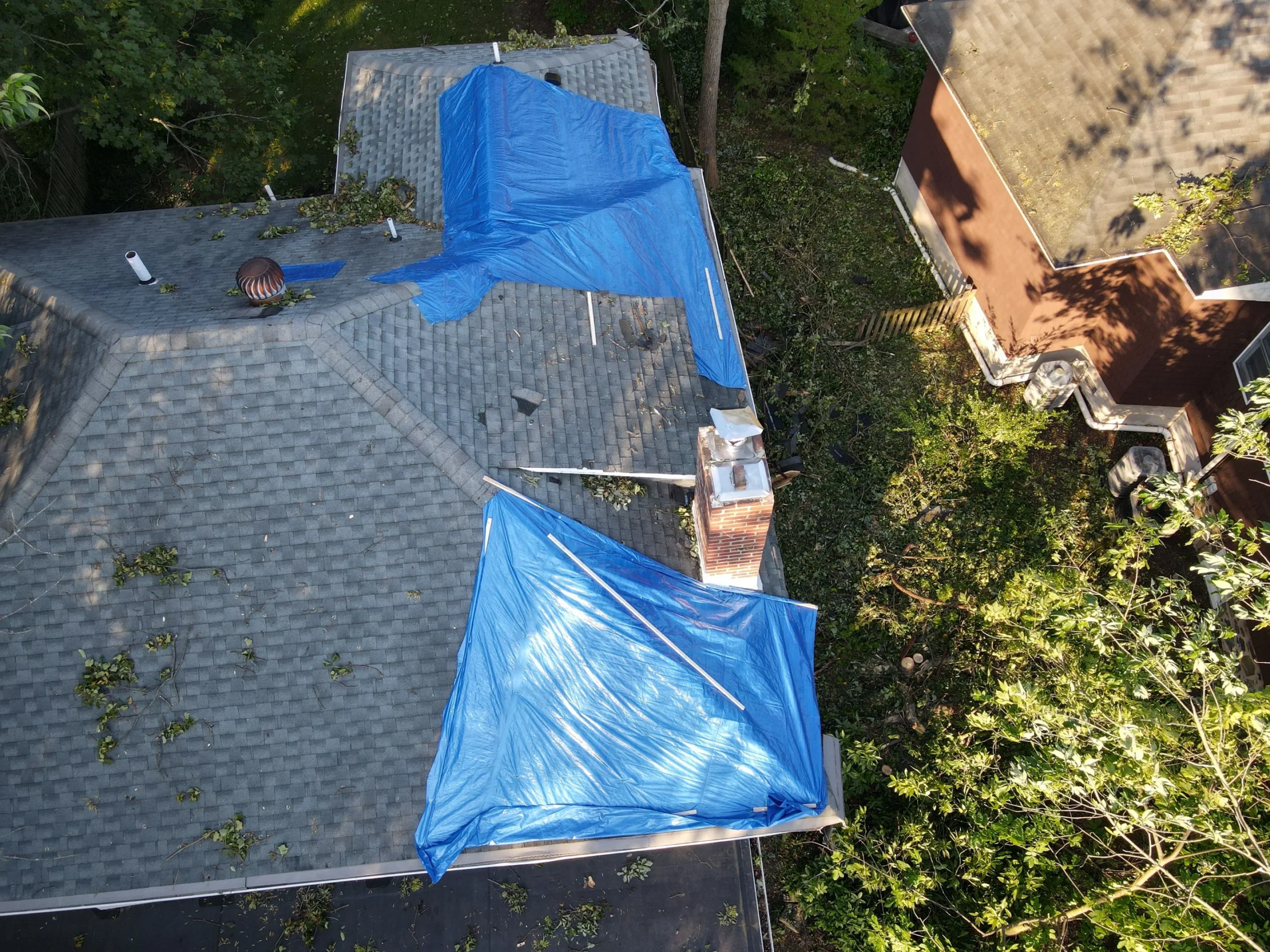
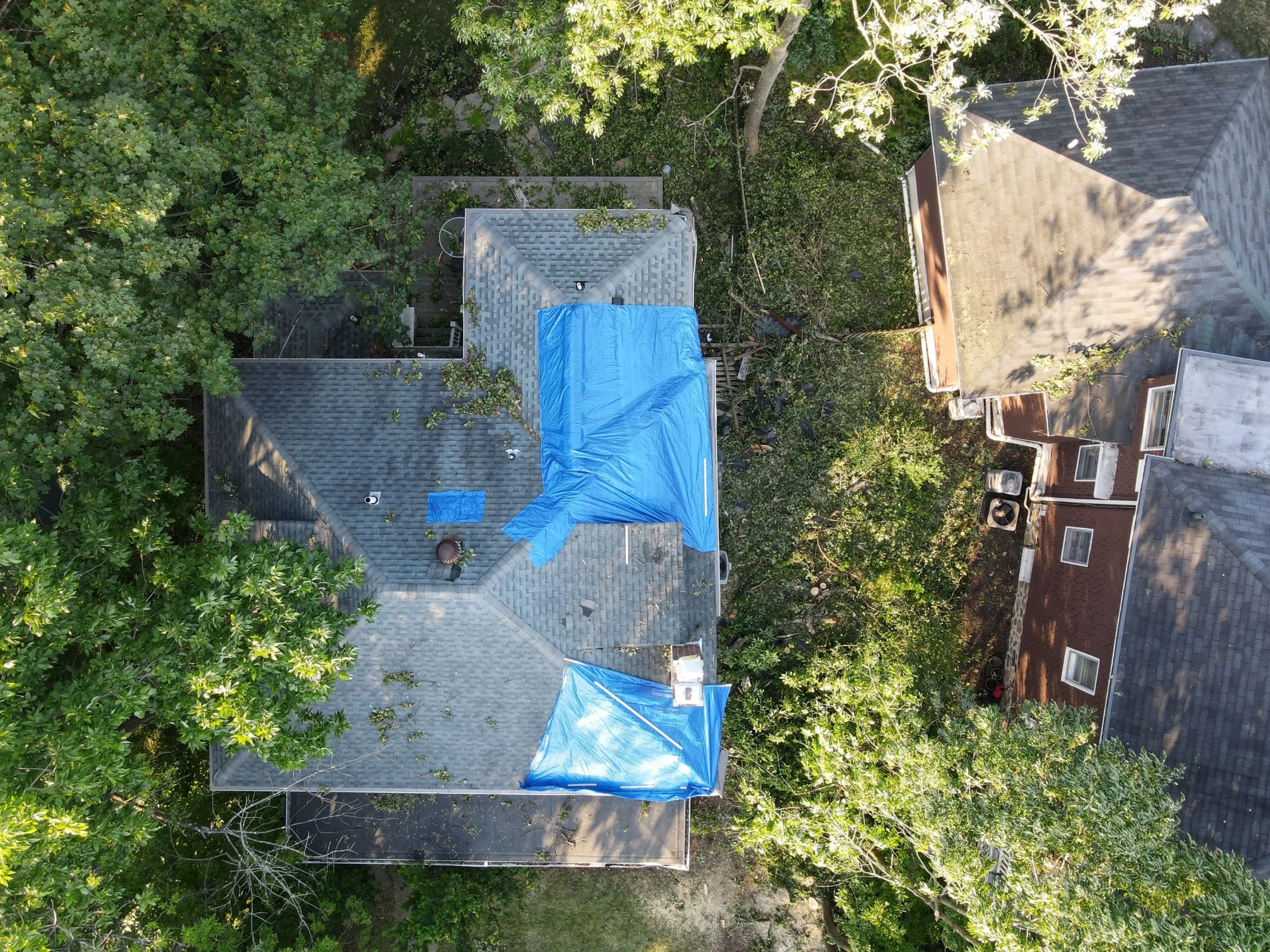
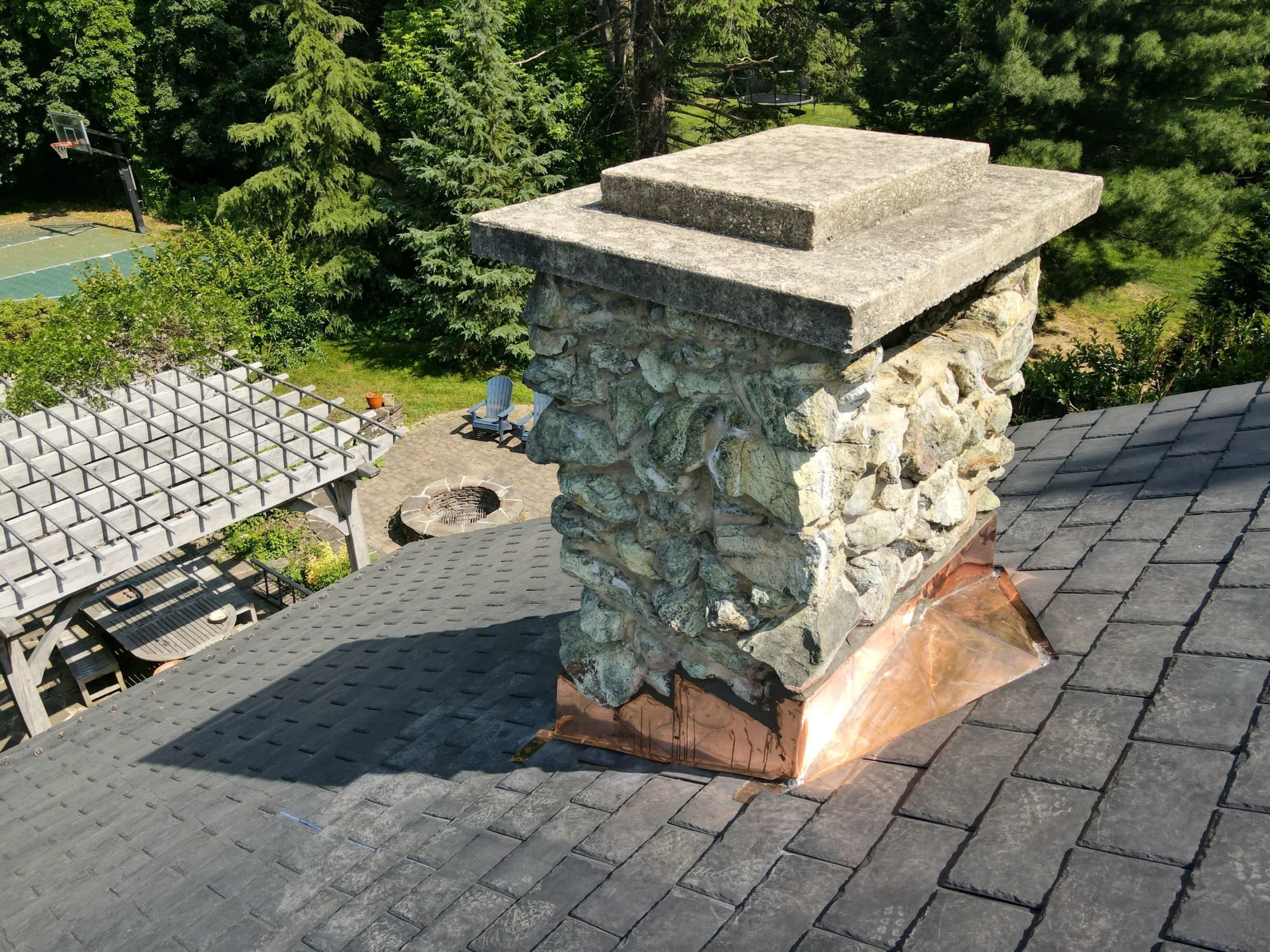
Recent emergency roof tarping in Maryland
Straight answers
Emergency roof tarping questions we get asked
How fast can you get here?
Call rather than fill in a form and say that water is coming in — active leaks get prioritized ahead of quotes and inspections. A phone call reaches us faster than anything else.
How long will a tarp hold?
Fitted properly, weeks rather than days, through normal weather. That is the point of it: it removes the emergency so you can decide about the roof without being rushed.
Will my insurance cover this?
Sudden storm damage often is covered; gradual wear is not. Most policies also expect you to prevent further damage once you know about it, which is exactly what tarping is. We photograph everything, because that is what an adjuster needs.
Do I have to use you for the actual repair?
No. Tarping is its own job and it is priced as its own job. If you want a different contractor for the permanent work, that is genuinely fine.
Can I just tarp it myself?
We would rather you did not. Wet and storm-damaged roofs are where the serious injuries in this trade happen, and a tarp that lifts in wind can do more damage than the original leak.
What happens after the tarp is on?
Nothing, until you want it to. Once it is dry we go up, photograph what is underneath and give you a written assessment. The urgency is gone at that point, which is the whole idea.
Free, and genuinely no obligation
Get an emergency roof tarp on today
If water is coming in right now, call — it is faster and it gets prioritized. If it can wait until morning, leave your details and we will come out.