
Most homeowners don’t think much about their roof until something goes wrong. Then suddenly you’re searching for a roofing company in Pikesville, MD at 10 PM with water dripping through your ceiling and no idea who to call. The good news is that knowing what the process actually looks like, before you’re in crisis mode, makes everything easier, faster, and less expensive. Here’s a straight look at what hiring a roofer for repairs really involves.
The First Call Tells You More Than You Think
Pay attention to how a roofing contractor handles your very first phone call or message. Do they ask thoughtful questions about your situation? Do they give you a realistic timeframe for coming out, or do they vaguely promise to “get back to you”? The way a company communicates before they’ve earned your business is a strong preview of how they’ll communicate once they’re on your roof.
A reputable contractor will want to know the basics upfront, how old is your roof, what kind of damage are you seeing, has there been recent storm activity? These aren’t just small talk. They’re using that information to show up prepared. A company that skips those questions and just rushes to schedule a visit without any context is often more interested in landing the job than solving your problem.
Many homeowners who’ve worked with Bravo Roofing mention that the responsiveness and straightforward communication stood out immediately, that kind of first impression matters when you’re dealing with something as stressful as roof damage.
The Inspection Is Where the Real Work Begins
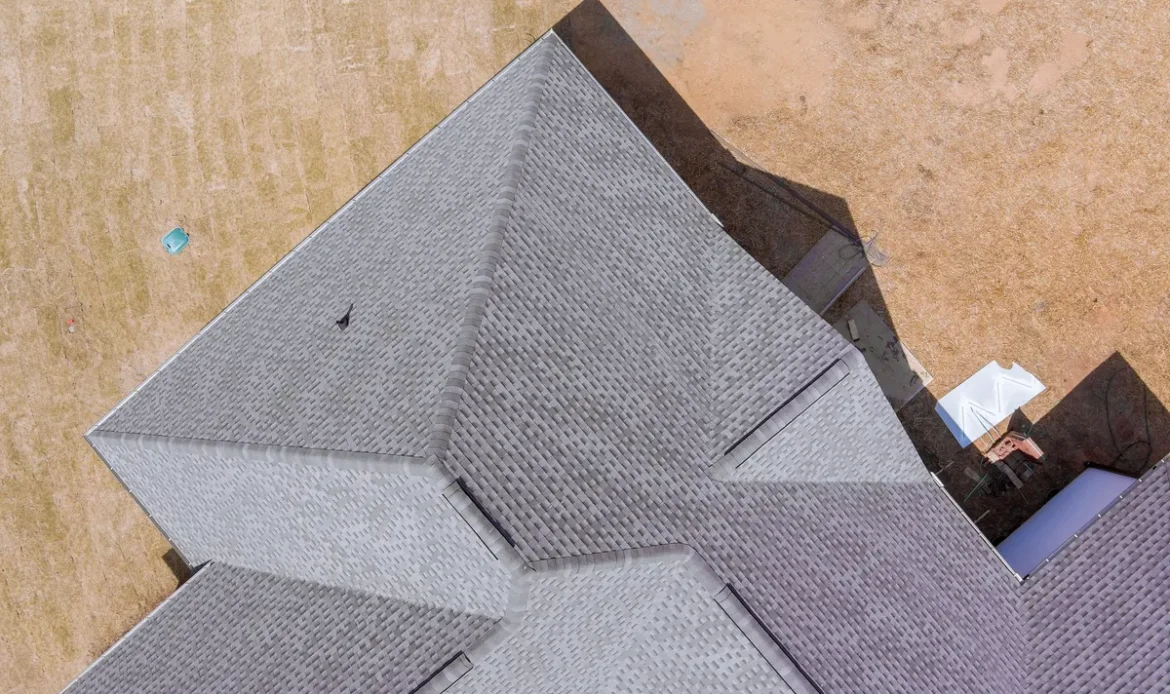
Before any repair quote gets written up, a proper inspection needs to happen. This isn’t a contractor glancing at your shingles from the driveway, it means getting up on the roof, checking the flashing around chimneys and vents, looking at the underlayment condition, and examining the gutters and soffit for signs of deeper issues.
What surprises a lot of homeowners is that the visible damage is rarely the whole story. A missing shingle might be the symptom. The cause could be deteriorated roof flashingimproper ventilation, or a section of decking that’s been slowly rotting for years. A good inspector follows the problem to its source rather than patching over the surface and calling it done.
If you want to understand what a thorough inspection involves and what it typically costs, the roof inspection process is worth reading up on before your contractor arrives. Going in informed means you can ask better questions and spot whether the contractor is being thorough or cutting corners.
Reading the Estimate, and What’s Missing From It
Once the inspection is done, you’ll get a written estimate. This is where homeowners often get tripped up. Two estimates for the same job can look wildly different, and the cheapest one is almost never the best deal.
A solid estimate should break down materials, labor, and any disposal fees separately. It should specify the type and brand of materials being used, not just say “shingles.” It should also address what happens if additional damage is discovered once work begins, because that happens more often than people expect, especially on older roofs.
Watch out for estimates that are suspiciously vague or that pressure you to sign immediately. Legitimate contractors don’t need high-pressure tactics. They let the quality of their work and the clarity of their pricing speak for itself. If you’re trying to figure out whether a repair quote is in a reasonable range, the roof leak repair cost guide breaks down what typical jobs actually cost and why prices vary.
What Happens During and After the Repair
On the day of the repair, a professional crew should show up on time, protect your landscaping and property around the work area, and keep you informed if they find anything unexpected once they open things up. You shouldn’t have to chase them down for updates.
After the work is done, walk the job with the crew lead before they leave. Ask to see photos of the completed repair from the roof, most reputable contractors take these as a matter of course. Make sure debris is fully cleaned up and that your gutters aren’t packed with roofing material.
Get documentation of everything: the warranty on materials, the warranty on labor, and a final invoice that matches the original estimate (or includes a clear explanation of any changes). These documents matter if you ever need to file an insurance claim or sell your home.
Roof repairs don’t have to be stressful, but they do require the right contractor. Taking the time to vet who you hire, checking their communication, their inspection process, and their estimate clarity, saves you money and headaches down the road. If you’re not sure where to start, the team at Bravo Roofing’s Pikesville location has built a reputation in this area for doing exactly what they say they’ll do, without the runaround.
Frequently Asked Questions
How do I know if a roofer’s inspection is actually thorough or just a quick look around?
A real inspection means the contractor gets up on the roof and checks the flashing around chimneys and vents, looks at the underlayment condition, and examines the gutters and soffit, not just a glance at your shingles from the driveway. If they’re only describing what you can already see from the ground, that’s a sign they’re likely to patch the surface without finding the actual cause of the problem. Ask them directly what they checked and what they found, and if they can’t give you specific answers, that tells you something.
Why do two repair estimates for the same job in Pikesville come back with such different prices?
A lot of it comes down to what’s actually spelled out in each estimate, a vague estimate that just says “shingles” without specifying brand or type is almost impossible to compare fairly against one that breaks out materials, labor, and disposal fees separately. The cheaper estimate often leaves out what happens if additional damage turns up once the work starts, which means you could end up paying more in the end. Read both line by line and ask each contractor to explain anything that isn’t clearly itemized.
What should I actually look for when the repair crew finishes up before they leave my Pikesville home?
Walk the job with the crew lead and ask to see photos taken from the roof of the completed repair, reputable contractors take these as a standard part of the job. Check that debris is fully cleaned up and that your gutters aren’t packed with leftover roofing material. Before anyone drives away, make sure you have written documentation of the material warranty, the labor warranty, and a final invoice that either matches the original estimate or clearly explains any changes.
Is it a red flag if a contractor pressures me to sign the estimate the same day?
Yes, the article is direct about this: legitimate contractors don’t use high-pressure tactics to get you to sign quickly. A contractor who rushes you to commit before you’ve had time to read the estimate carefully is more interested in landing the job than in doing it right. Take the time you need, compare what’s written in the estimate against what was discussed during the inspection, and walk away from anyone who makes you feel like you can’t.
What questions should a roofer ask me during that first phone call, and why does it matter?
A prepared contractor will want to know how old your roof is, what kind of damage you’re seeing, and whether there’s been recent storm activity in the Pikesville area, that information helps them show up with the right materials and realistic expectations. If the first call is just about scheduling a visit with no questions asked, that’s often a sign the contractor is more focused on volume than on actually solving your problem. How a contractor handles that first conversation is a reliable preview of how they’ll communicate once work is underway.
Get Directions to Bravo Roofing
🎧 Listen to this as a podcast
Also on Apple Podcasts, Spotify, and Amazon Music.