

Two contractors walk the same roof, measure the same square footage, and come back with quotes that differ by four thousand dollars. This happens constantly, and homeowners are left guessing which number to trust. The gap is not always about one contractor being dishonest and the other being fair. More often, it reflects genuinely different assessments of scope, material quality, and hidden conditions that only show up once the old shingles come off. Understanding what drives those numbers gives you a real basis for comparison, rather than just picking the lower figure and hoping for the best.
What the Tape Measure Misses
Square footage is the starting point, not the whole picture. A roof’s pitch changes the actual surface area significantly. A 2,000-square-foot footprint on a steeply pitched home might require 2,600 or more squares of material once the slope is factored in. Steeper pitches also slow the crew down and require different safety rigging, which adds labor cost. A contractor who quotes purely from the ground-level footprint is either cutting corners on the math or planning to cut corners on the job.
Complexity matters just as much. Every valley, hip, ridge line, dormer, skylight, and chimney penetration adds time and material. Flashing around a chimney done correctly requires step flashing, counter flashing, and sometimes masonry work. A quote that lumps all of this into a single line item with no breakdown is a quote that probably underestimates those details. Bravo Roofing breaks penetrations and transitions out as separate line items precisely because that is where scope disputes happen most often.
Decking condition is the other major unknown. Until the old material is removed, nobody can say with certainty how much of the plywood or OSB underneath needs replacement. A thorough contractor will note any soft spots found during the inspection and price in a reasonable allowance for decking repair. A low quote that carries no decking allowance will almost certainly generate a change order mid-job.
Material Choices That Move the Number More Than People Expect
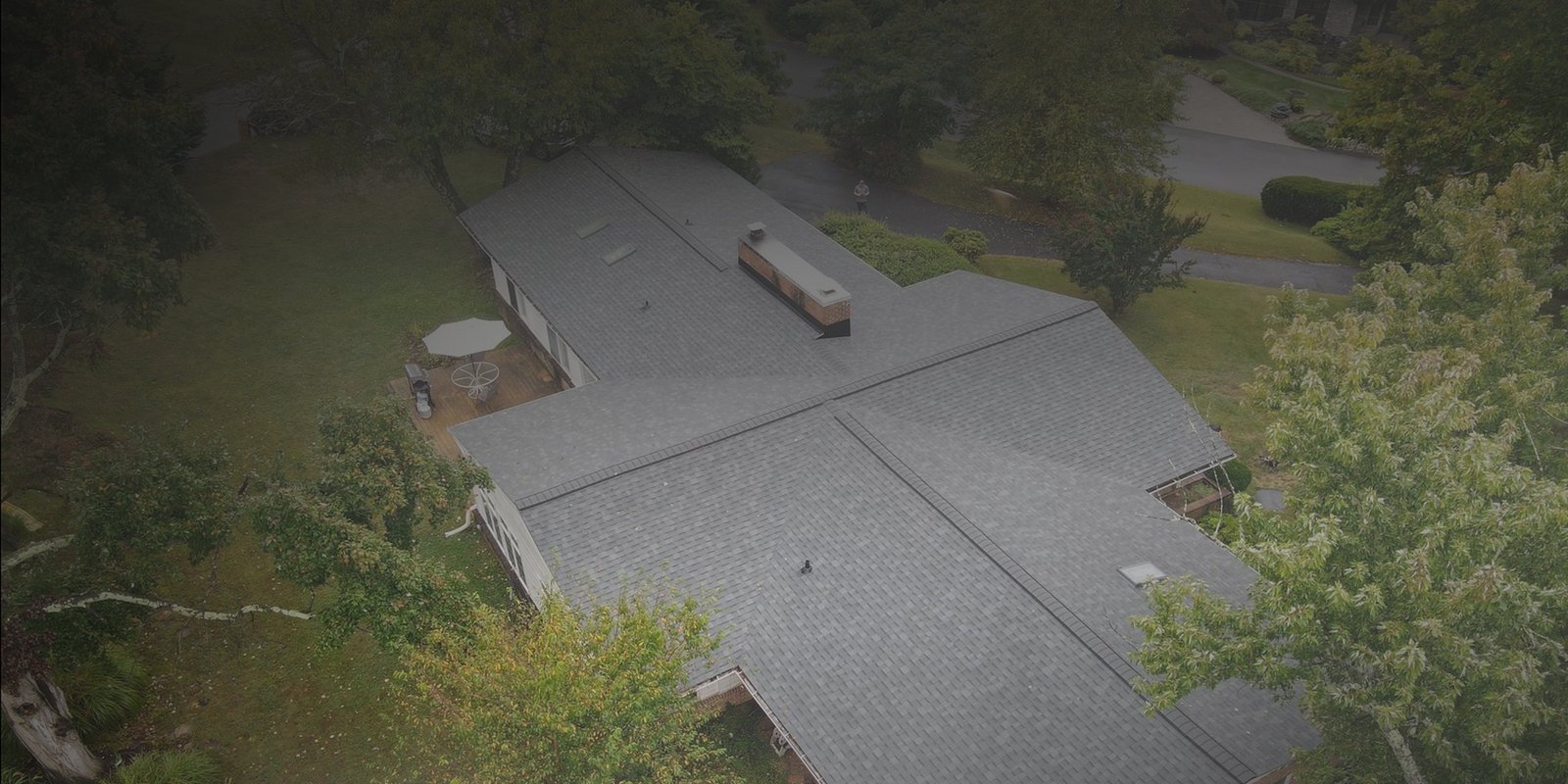
Architectural shingles are the standard for most residential work in the Greene Tree and Pikesville, MD area, but there is a wide range within that category. A 30-year architectural shingle and a 50-year impact-resistant architectural shingle can differ by $40 to $80 per square just in material cost. Multiply that across a 30-square roof and you are looking at $1,200 to $2,400 in material cost alone before labor is touched.
Underlayment is where some contractors quietly save money on your behalf without telling you. Synthetic underlayment is more durable and performs better under high temperatures than traditional felt, but it costs more. Ice and water shield requirements also vary by quote. In this part of Maryland, code requires ice and water shield at the eaves, but a quality contractor extends it up the valleys and around all penetrations as well. That extra coverage adds material cost that a bare-minimum quote simply will not include.
Ridge cap, starter strip, and drip edge are often treated as afterthoughts in a quote. They are not. Proper drip edge installation, for instance, affects how water exits the roof edge and protects the fascia board below. Skimping on any of these components shows up as a warranty claim or a rot problem three years later.
Labor Variables That Rarely Get Explained Up Front
Tear-off is a significant cost that quotes handle very differently. Single-layer tear-off is straightforward. Two or three layers of existing shingles mean more labor hours, heavier dumpster loads, and sometimes structural concerns about accumulated weight. A home near Old Court Road with a roof that has been re-shingled over twice is going to cost more to strip than a comparable home with a single layer, and that cost difference should appear clearly in the quote.
Access also affects price. A home with limited driveway space, landscaping close to the roofline, or a detached garage that complicates staging will take longer to set up and protect. Bravo Roofing notes that homeowners often overlook how much of a crew’s time goes into protecting the property around the house, not just the roof itself. Shingle debris, nails, and granules need to be contained and cleaned up, and that work is priced into a thorough quote.
Permit costs are real and should appear as a line item. In Baltimore County, a roofing permit is required for a full re-roof, and pulling one correctly protects the homeowner if a problem surfaces later. A quote that does not include a permit fee is either absorbing it silently or skipping it entirely, and you should ask directly which one it is.
Reading a Quote the Way a Contractor Does
A well-structured quote itemizes materials by type and quantity, lists labor separately, identifies any allowances for unknown conditions, and specifies the warranty on both materials and workmanship. Comparing quotes at the total line is nearly useless without that detail. When two numbers differ by a significant margin, ask each contractor to walk through their scope line by line. The conversation itself tells you a great deal about how organized and experienced the crew will be on the job.
Homeowners in the Pikesville, MD area who have gone through a full roof replacement often say the same thing afterward: the contractor who asked the most questions and flagged the most potential issues before the job started was also the one who delivered the fewest surprises during it. Contractors serving the Summit Park and Silver Creek areas see similar patterns. A quote is only as reliable as the inspection behind it, and a rushed inspection almost always produces a number that changes once the work begins.
Bravo Roofing serves Greene Tree, Pikesville, and the surrounding communities with detailed, itemized quotes backed by a thorough on-site inspection. If you are comparing estimates and want a second opinion on what a quote actually covers, they are a reliable local resource. You can reach them at 1829 Reisterstown Rd Ste 350, Pikesville, MD 21208, or by phone at (443) 450-6110.
Frequently Asked Questions
Why do roofing quotes vary so much between contractors?
Quotes can differ significantly due to varying assessments of scope, material quality, and hidden conditions. Factors like roof pitch, complexity, and decking condition all contribute to the final price, making it essential to compare detailed breakdowns rather than just total costs.
What should I look for in a roofing quote?
A reliable quote should itemize materials by type and quantity, list labor separately, and include any allowances for unknown conditions. Also, check for specific mentions of permits and warranties to understand what’s covered.
How do material choices affect roofing quotes?
Material choices can significantly impact costs, especially when comparing different types of shingles or underlayment. For example, a 30-year architectural shingle may cost $40 to $80 less per square than a 50-year impact-resistant shingle, affecting the overall budget considerably.
What are common mistakes homeowners make when comparing roofing quotes?
A common mistake is focusing solely on the total cost without reviewing the details. Homeowners often overlook the importance of how quotes break down labor, materials, and allowances, which can lead to surprises during the project if not thoroughly understood upfront.
Get Directions to Bravo Roofing
🎧 Listen to this as a podcast
Also on Apple Podcasts, Spotify, and Amazon Music.