

Most homeowners don’t start thinking seriously about a new roof until something forces the issue: a leak that reappears after two repairs, granules filling the gutters, or an insurance adjuster’s report that makes the decision for them. By that point, the pressure to move fast can lead to rushed choices. Understanding how the process actually works, before you’re in crisis mode, puts you in a much better position to get the right job done at the right price.
What the Roof Replacement Process Looks Like From the First Call
The job doesn’t start on the day the crew shows up. It starts well before that. A reputable contractor will schedule an inspection first, usually within a few days of your call, to assess the decking, flashing, ventilation, and the condition of any existing underlayment. That inspection isn’t just a formality. It determines the actual scope of work and, critically, the material quantities. A contractor who skips this step and quotes from the street is guessing.
Once you have a written estimate, expect a lead time. Bravo Roofing typically schedules installation a week to three weeks out depending on current demand and material availability. Certain shingle lines, particularly premium architectural products, can have longer lead times if the local distributor is running low. Asking about material availability upfront saves you from surprises later.
Permits are required in Baltimore County for a full tear-off and re-roof. Your contractor should pull the permit, not you. If a company asks you to handle permitting yourself, that’s a red flag. The permit process in Pikesville, MD adds a small amount of time to scheduling, but it also means the work gets inspected, which protects you.
What Commonly Delays a Roof Replacement
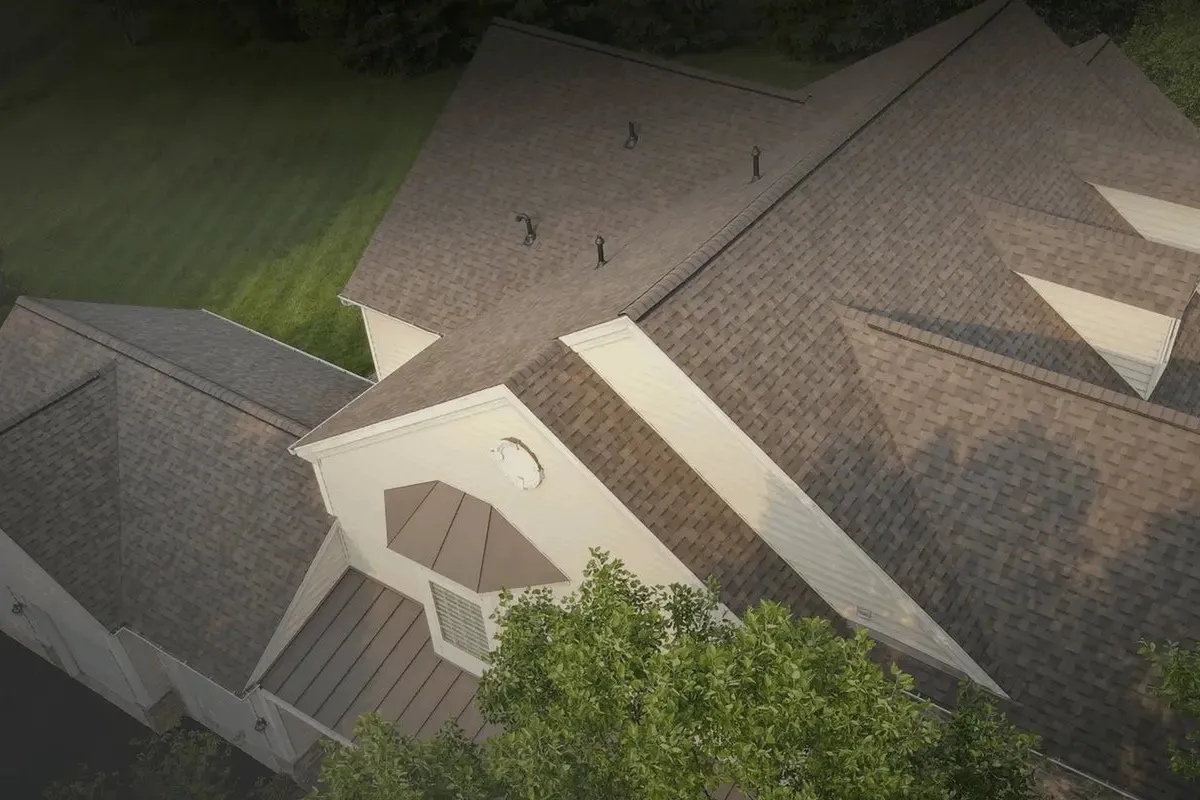
Weather is the obvious one, but it’s rarely the biggest source of delay. The more common culprits are things that surface during the tear-off itself. Rotted decking is frequent in homes that have had slow leaks for years. When crews pull the old shingles and find soft or compromised plywood, the decking has to be replaced before anything goes over it. That adds time and cost. Bravo Roofing’s position is that homeowners should budget a contingency of roughly 10 to 15 percent above the base estimate specifically for decking and flashing discoveries. It’s not pessimism. It’s just what the work reveals often enough to plan for.
Insurance claims add another layer of timing complexity. If your project involves a claim, the insurer’s approval timeline runs parallel to, but separate from, the contractor’s schedule. Getting those two timelines to line up takes coordination. If you’re uncertain about how the claims process works, the guide on roof insurance claims covers what to expect at each stage. And if storm damage is part of the picture, it’s worth understanding how long you have to file a roof claimbecause that window is shorter than most people assume.
Access is a practical issue that homeowners sometimes overlook. Crews need clear driveway access for a dump trailer and a delivery truck carrying shingle bundles. In neighborhoods around Silver Creek and Pikesville, where driveways can be tight or shared, it’s worth discussing logistics with your contractor in advance. Moving a vehicle or trimming back an overhanging branch before the crew arrives keeps the day on schedule.
Choosing Roofing Materials Before the Crew Arrives
Material decisions should be made before the job is scheduled, not on the morning of installation. The main choices on a standard sloped residential roof are shingle weight, color, and manufacturer warranty tier. Thirty-year architectural shingles are the baseline most homeowners choose, but the gap between a mid-grade and a premium shingle is often smaller in cost than people expect, while the difference in wind rating and warranty coverage is meaningful.
Color matters more than it seems. Shingles look different on a sample card than they do covering an entire roof in direct sunlight. Ask your contractor for photos of completed jobs using the color you’re considering. Bravo Roofing keeps a portfolio of local projects for exactly this reason. Changing your mind after materials have been ordered is possible but costs time and sometimes a restocking fee.
Ventilation is a material decision that often gets overlooked. If the existing ridge vent or soffit vents are inadequate, new shingles over a poorly ventilated attic will fail years ahead of schedule. A good contractor raises this during the inspection, not as an upsell, but because it directly affects how long your investment lasts.
What to Have Ready Before Roof Replacement Begins
Clear the driveway completely the evening before the job. Move vehicles, bikes, and anything stored near the house perimeter. Warn neighbors if the work will affect street parking. Inside, take down anything hanging on walls adjacent to the roof line, particularly in upper-floor rooms. The vibration from a crew working above is real, and framed pictures do fall.
Pets should be kept inside and away from exterior doors on installation days. The crew will be moving in and out frequently, and loose materials near ground level create hazards. If you have a security system, let your monitoring company know work is scheduled so a roof crew triggering a motion sensor doesn’t send a response team to your address.
Bravo Roofing serves homeowners throughout Silver Creek and Pikesville, MD, and the surrounding area. For questions about scheduling, materials, or what an inspection involves, the office is at 1829 Reisterstown Rd Ste 350, Pikesville, MD 21208, and can be reached at (443) 450-6110.
Roof Replacement Planning FAQs
How does the process of getting a new roof start?
The process begins with an inspection scheduled by a reputable contractor, usually within a few days of your call. This inspection assesses the condition of your roof and determines the scope of work and material quantities needed.
What should I budget for unexpected costs during the project?
Homeowners should budget a contingency of about 10 to 15 percent above the base estimate for potential discoveries like rotted decking or flashing issues that may arise during the tear-off. These issues are common and can add both time and cost to the project.
What preparations should I make before the crew arrives?
Clear your driveway the evening before to ensure access for trucks and dumpsters, and move any vehicles or items near the house. Inside, take down wall hangings near the roof line to prevent damage from vibrations during the work.
What are common mistakes homeowners make when planning for this type of work?
A common mistake is waiting until the day of installation to make material decisions, which can lead to delays and additional costs. Another is not discussing access logistics with the contractor, which can hinder the crew’s ability to work efficiently.
Get Directions to Bravo Roofing
🎧 Listen to this as a podcast
Also on Apple Podcasts, Spotify, and Amazon Music.