
Most homeowners picture roofing work the same way their parents did: a crew shows up, tears off the old shingles, nails down new ones, and leaves. That mental model made sense thirty years ago. It does not reflect what a properly executed job looks like today, and the gap between those two pictures is where a lot of expensive mistakes get made. The materials are different, the installation standards are different, and the decisions a homeowner makes before signing a contract carry more weight than most people realize.
The Old Way Was Not as Solid as It Seemed
Through most of the 1980s and into the 1990s, standard practice meant 15-pound felt paper as the only underlayment between your deck and your shingles. That was it. No ice-and-water shield along the eaves, no synthetic underlayment on the field, no sealed starter strips. Roofers stapled felt, laid three-tab shingles, and called it done. The shingles themselves carried a 20-year rating that often meant 12 to 15 years of actual performance in a mid-Atlantic climate.
What changed was not just the products. Building science caught up with what was actually failing. Attic ventilation standards tightened after researchers connected poor airflow to premature shingle degradation. Ice dam protection became a code requirement in many jurisdictions after repeated claims showed how much damage a single freeze-thaw cycle could do to an unprotected eave. The shift happened gradually, which is part of why so many homeowners still carry the old assumptions into conversations with contractors.
What the Estimate Should Actually Include
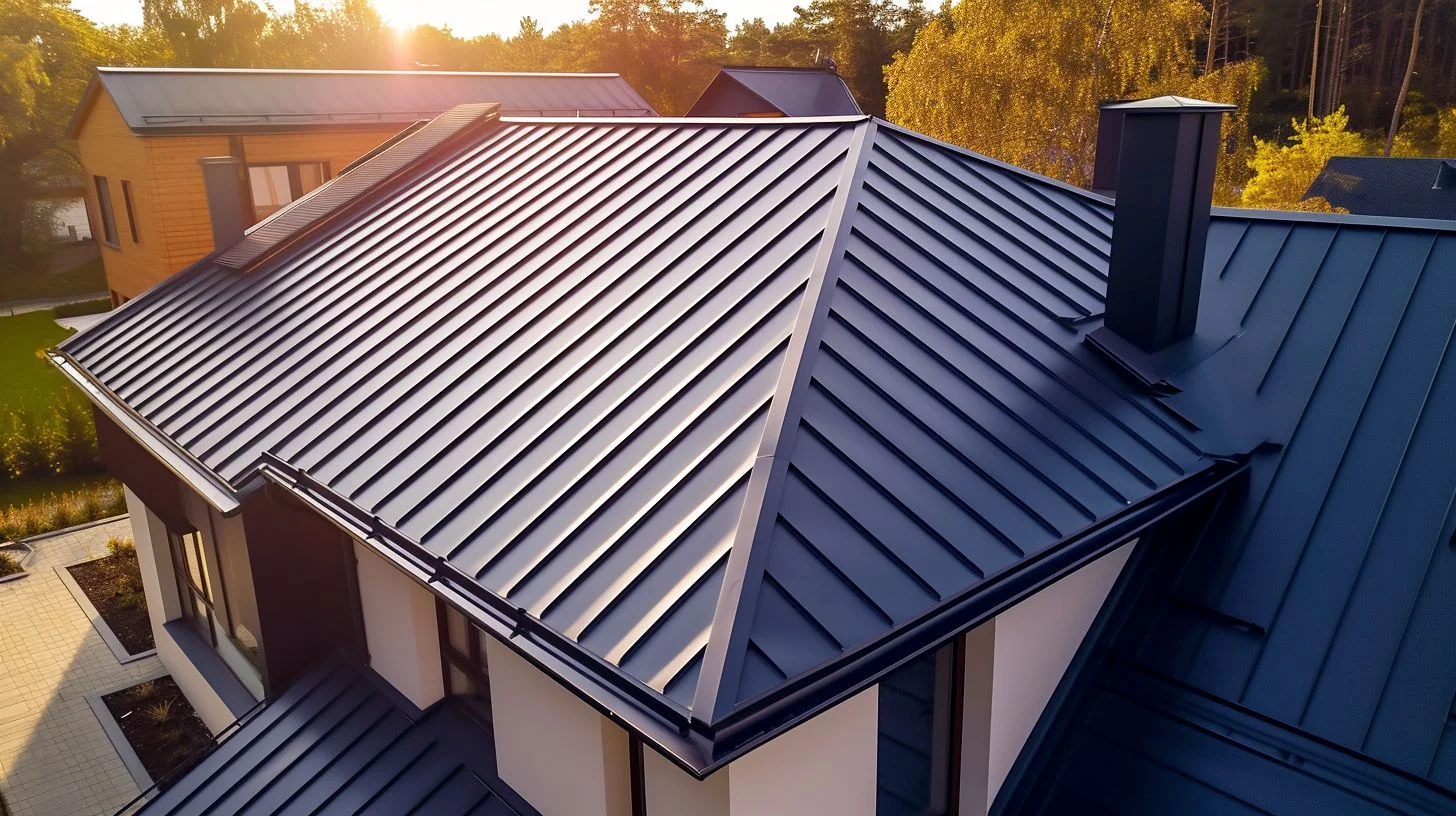
Here is where customers get tripped up most often: they compare quotes without comparing scope. One contractor prices synthetic underlayment, a full ice-and-water shield to 24 inches past the interior wall line, new drip edge on all four sides, and ridge ventilation balanced to the intake. Another prices 15-pound felt and whatever ridge cap comes in the shingle bundle. Both quotes say “new roof.” The gap between them might be $2,000 to $4,000 on a typical 2,000-square-foot house, and the cheaper one is not a bargain.
Bravo Roofing has seen this comparison play out enough times to be direct about it: a low quote that omits proper ventilation and underlayment is not saving you money. It is pushing the cost into a shorter lifespan and a future repair bill. Decking condition matters too. Rotted or delaminated OSB panels need to come out before anything goes over them, and that cost should be estimated honestly upfront, not presented as a surprise once the crew is already on the roof.
Realistic numbers for a full residential job in the Pikesville, MD area currently run from about $8,500 on the low end for a straightforward ranch to $18,000 or more for a complex two-story with steep pitches, multiple valleys, and skylights. Those figures include materials, labor, disposal, and code-compliant accessories. Anything substantially below that range deserves careful scrutiny of what is being left out.
How Modern Materials Actually Perform Differently
Architectural shingles, sometimes called dimensional or laminate shingles, replaced three-tab as the standard option roughly two decades ago. The difference is not cosmetic. The layered construction adds weight and wind resistance. A properly installed architectural shingle rated at 130 mph wind resistance, with hand-sealed tabs in the first few courses, performs dramatically better in the kind of thunderstorm systems that roll through the Sudbrook Park and Pikesville corridor than a three-tab ever did.
Synthetic underlayments have largely replaced felt on quality jobs. They are lighter, tear-resistant, and do not absorb moisture the way felt does when a crew gets caught mid-job in a rainstorm. That matters practically: a roof left with wet felt overnight before the shingles go on is not starting from a good baseline. Bravo Roofing uses synthetic underlayment as a standard component, not an upgrade, because the performance difference is not marginal.
Homeowners considering a full roof replacement in Reisterstown or nearby communities often ask whether premium shingles are worth the price jump. The honest answer depends on how long you plan to stay in the house. A 50-year architectural shingle costs roughly 15 to 20 percent more than a standard 30-year product. If you are staying put, the math usually works. If you are selling in five years, a quality 30-year shingle installed correctly is the smarter spend.
The Decisions That Actually Protect the Investment
Ventilation is the piece most homeowners do not think about at all until something goes wrong. A new roof over a poorly ventilated attic will fail faster than the old one did, because heat and moisture are still trapped against the decking. The general rule is one square foot of net free ventilation area for every 150 square feet of attic floor, split roughly evenly between intake at the soffits and exhaust at the ridge. Contractors who do not ask about your current attic setup before pricing the job are skipping a step that matters.
Gutters connect to this more directly than most people expect. Water that cannot move cleanly off the roof and away from the fascia will eventually find its way behind the drip edge. If you are already having work done on the roof deck, it is worth addressing the gutter condition at the same time rather than discovering a problem six months later.
For homes in Sudbrook Park with older trees close to the roofline, debris accumulation in valleys and around penetrations accelerates wear in specific spots. That is worth noting during any inspection, because localized deterioration in those areas can look minor from the ground and be significant up close. Bravo Roofing’s assessments in this area consistently flag valley flashing and pipe boot conditions as the most commonly underestimated items on aging roofs.
Bravo Roofing serves homeowners throughout Pikesville, MD and the surrounding communities, including Sudbrook Park, as a straightforward local resource for this kind of work. If you have questions about what a proper job should include, or want a second opinion on a quote you have already received, reach out directly: 1829 Reisterstown Rd Ste 350, Pikesville, MD 21208, (443) 450-6110.
Frequently Asked Questions
What should I look for in roofing estimates to avoid surprises later?
When comparing estimates, focus on the scope of work included. Ensure that the quote specifies the type of underlayment, ventilation details, and any necessary repairs to the decking. A low estimate may leave out critical components, leading to higher costs down the line.
How much can I expect to pay for a standard roofing job?
In the Pikesville, MD area, realistic costs for a full residential roofing job range from about $8,500 for a simple ranch to over $18,000 for a more complex two-story home. Be cautious of quotes significantly below this range, as they may omit important elements.
Why is ventilation important in roofing, and how does it affect my roof’s lifespan?
Proper ventilation is crucial because it prevents heat and moisture from accumulating in the attic, which can lead to faster degradation of the roofing materials. The general guideline is to have one square foot of net free ventilation for every 150 square feet of attic floor, split between intake and exhaust.
What is the difference between architectural shingles and three-tab shingles?
Architectural shingles are heavier and provide better wind resistance, often rated for up to 130 mph, while three-tab shingles are lighter and less durable. The layered construction of architectural shingles improves performance significantly, especially in storm-prone areas like Sudbrook Park.
Get Directions to Bravo Roofing
🎧 Listen to this as a podcast
Also on Apple Podcasts, Spotify, and Amazon Music.