
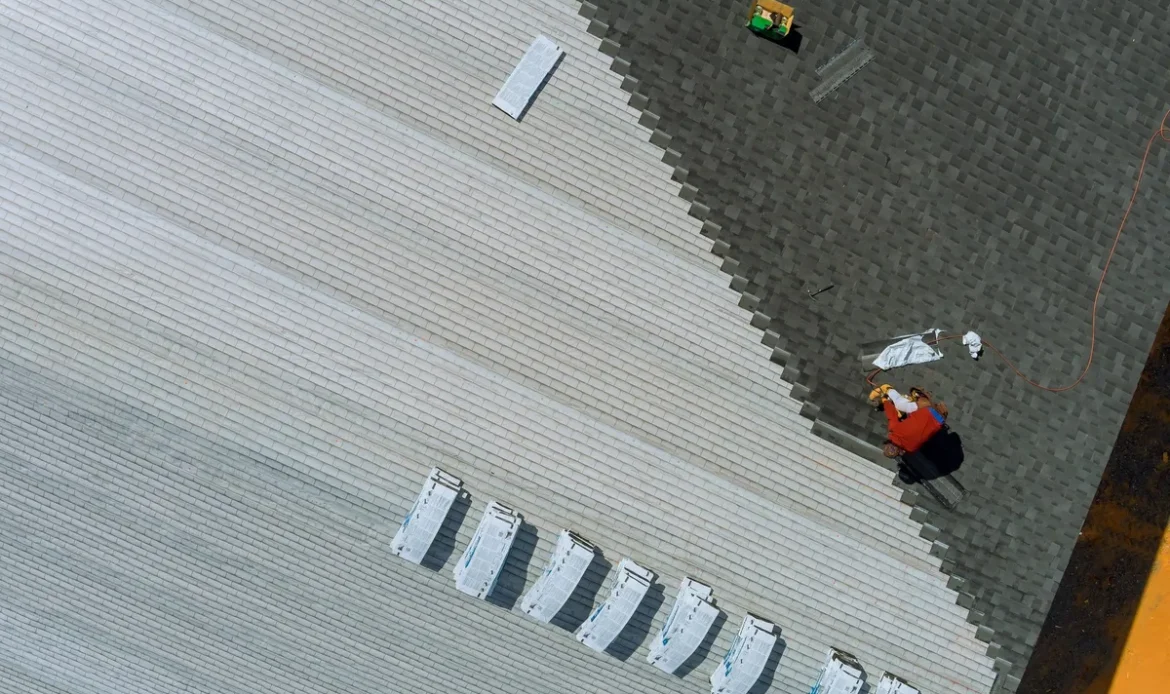
There’s a question that comes up constantly among homeowners considering a roof replacement in Pikesville, MDis right now actually the right time? It’s a fair thing to wonder. A new roof is a significant investment, and nobody wants to pull the trigger too early or, worse, wait so long that they’re dealing with water damage and rotted decking. The honest answer is that timing matters more than most people realize, and getting it right can save you thousands of dollars and a whole lot of headaches.
Your Roof Is Sending You Signals, Are You Listening?
Most homeowners don’t think about their roof until something goes wrong. A leak shows up in the ceiling, or shingles start blowing into the yard after a storm. But by the time those obvious signs appear, the damage has usually been building for months, sometimes years.
The smarter approach is knowing what to look for before things get critical. Curling or buckling shingles are one of the clearest early warnings. When asphalt shingles start to cup at the edges or develop a wavy, uneven surface, they’ve lost their ability to shed water properly. Granule loss is another big one, if your gutters are filling up with gritty, sand-like material that looks like it came from a beach, that’s the protective coating coming off your shingles. Once that’s gone, UV damage accelerates fast.
Interior signs matter too. Dark staining on your attic ceiling, soft spots in the decking when you press on it, or daylight visible through the rafters, these aren’t cosmetic issues. They’re structural warnings. A professional inspection can tell you whether you’re dealing with a repair situation or whether a full replacement is the more cost-effective path forward.
Why Maryland Winters and Summers Are Harder on Roofs Than You’d Think
Pikesville sits in a climate zone that’s genuinely tough on roofing materials. Winters bring freeze-thaw cycles that are brutal on shingles and flashing. Water seeps into tiny cracks, freezes, expands, and forces those cracks wider. Over several seasons, this process weakens even quality materials significantly. Ice dams, ridges of ice that form at the roof’s edge and trap meltwater, are a real problem in this area, and they can force water up under shingles in ways that standard drainage was never designed to handle.
Summers aren’t gentle either. Maryland heat combined with high humidity creates conditions where roofing materials expand and contract repeatedly. Prolonged heat exposure degrades the adhesive strips on shingles, and attics that aren’t properly ventilated can reach temperatures that literally cook the roofing material from the inside out.
This is why the age of a roof matters so much locally. A roof that might last 25 years in a milder climate could show significant wear in 18 to 20 years here. If your roof is approaching that range, it’s worth getting eyes on it now rather than after the next rough winter does more damage. You can get a clearer picture of what to budget for by looking at what roof overhaul typically costs in this areathe numbers might surprise you in a good way.
The Window That Most Homeowners Miss
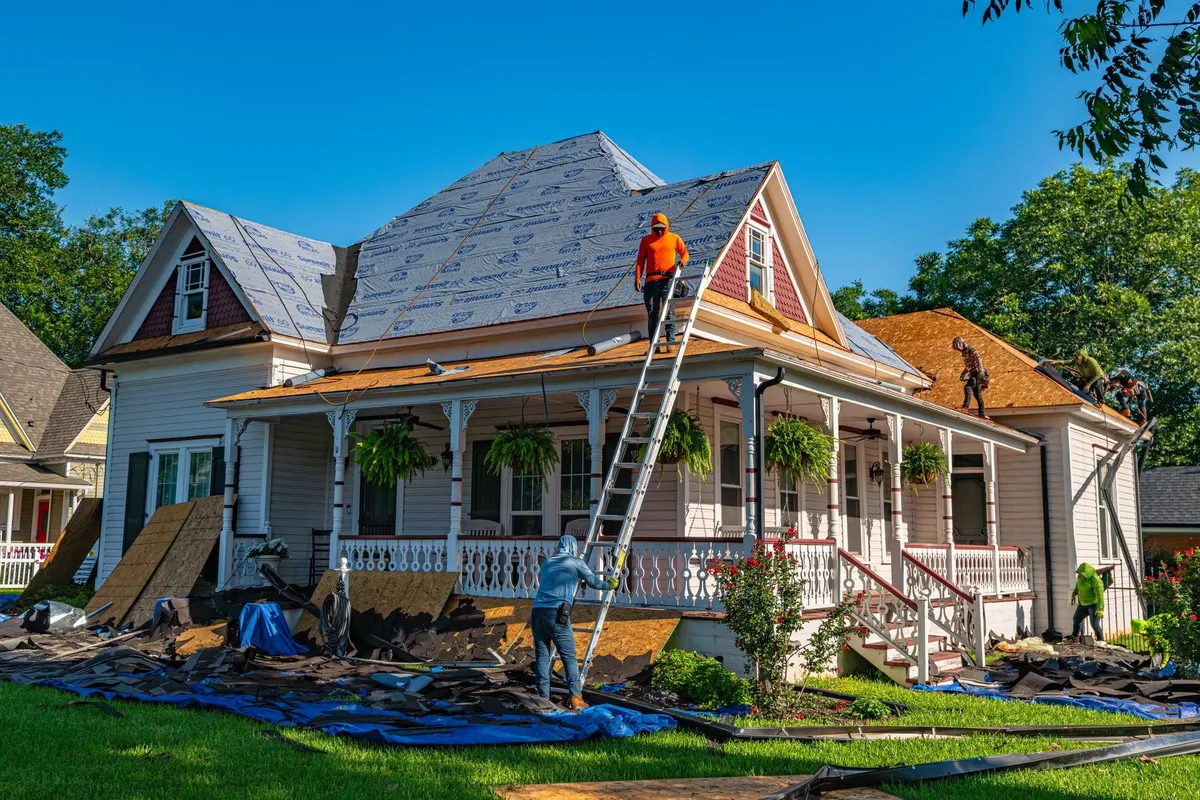
Here’s something experienced roofers will tell you straight: late summer through early fall is the single best window for scheduling a new roof. Temperatures are warm enough for shingles to seal properly, asphalt shingles need heat to activate the adhesive strips that bond them together. Cold-weather installations can be done, but they require extra care and sometimes additional materials to compensate for the lack of natural heat sealing.
Scheduling in that sweet spot also means you’re getting ahead of winter before it has a chance to find any weak points in your existing system. Contractors tend to be busiest in spring when homeowners are reacting to winter damage, which means longer wait times and sometimes less flexibility on scheduling. Booking in late summer often means faster turnaround and more attention to detail because crews aren’t stretched thin.
The team at Bravo Roofing, which serves the greater Baltimore area including Pikesville and nearby communities like Owings Millsconsistently hears from customers who wish they hadn’t waited until a problem forced their hand. The sentiment comes up again and again, people who planned their project ahead of time had a far smoother experience than those who called in a panic after a storm.
Choosing Materials That Actually Make Sense for Your Home
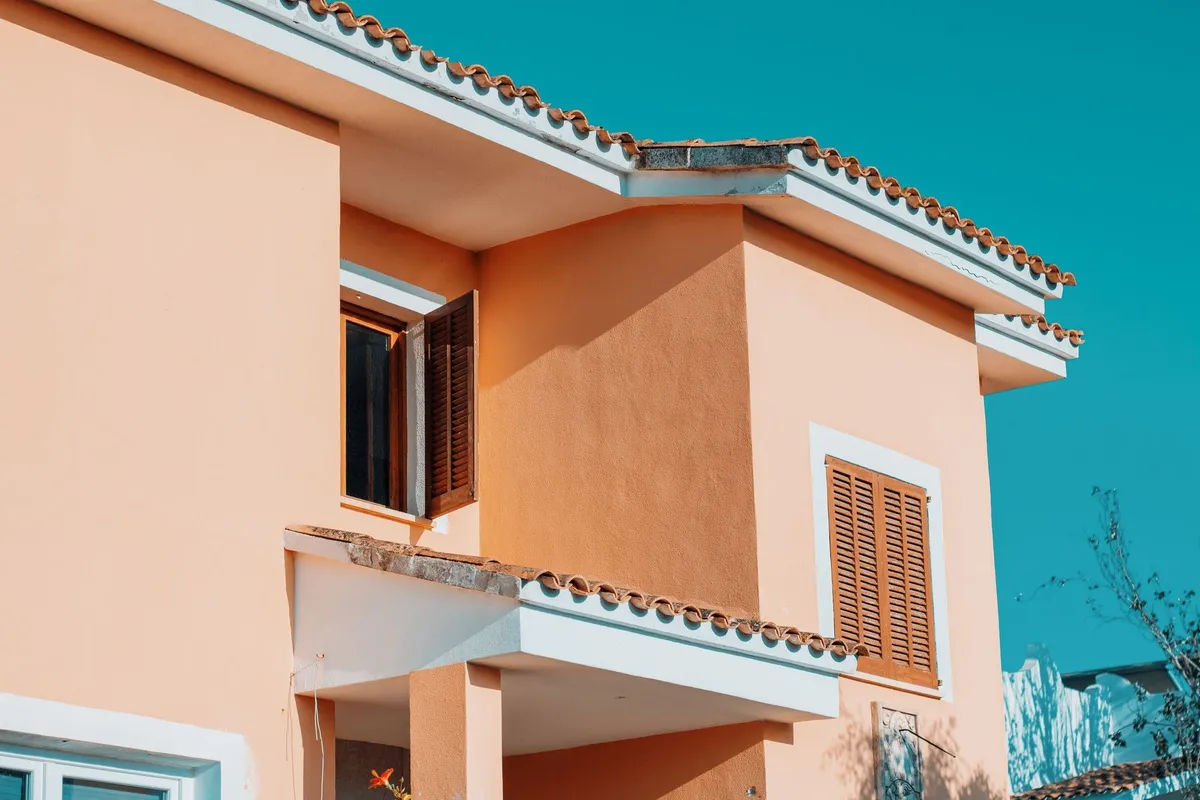
Not every roofing material is the right fit for every house, and this is where a lot of homeowners get tripped up. Architectural shingles, also called dimensional shingles, have become the standard for good reason. They’re thicker than three-tab shingles, more resistant to wind, and they have a layered look that adds real curb appeal. For most residential homes in this area, they hit the right balance of cost, durability, and aesthetics.
Metal roofing is gaining ground fast, and for some homes it makes a lot of sense. A standing seam metal roof can last 40 to 50 years with minimal maintenance, handles snow and ice better than asphalt, and reflects heat in summer. The upfront cost is higher, but the long-term math often works in its favor, especially if you plan to stay in the home for decades or want to make a strong case to buyers if you ever sell.
Slate and synthetic slate options are worth considering for older or more architecturally distinctive homes where matching the original character of the house matters. They’re heavier, which means your structure needs to support the load, but they’re among the most durable options available.
The right choice comes down to your budget, your home’s structure, your long-term plans, and what the local climate demands. A contractor who knows this area well can walk you through the trade-offs honestly, without pushing you toward the most expensive option just because it exists. If you’re ready to take the next step, learn more about what a full new roofing installation looks like for homes in this area and what the process involves from start to finish.
Frequently Asked Questions
How do I know if my roof actually needs to be replaced or if repairs will hold it together?
If you’re seeing curling shingles, granule loss in the gutters, soft spots in the decking, or daylight through the rafters, those are structural warnings, not cosmetic ones, and repairs often just delay the inevitable. A professional inspection is the clearest way to get an honest answer, because the damage visible from the ground is rarely the full picture. If your roof is between 18 and 20 years old in the Pikesville area, that inspection becomes more urgent since the local climate tends to shorten the lifespan compared to milder regions.
Why does late summer or early fall matter so much for scheduling this kind of project?
Asphalt shingles need heat to activate the adhesive strips that bond them together, and late summer gives you that naturally without any workarounds. Getting the work done before winter also means you’re not handing freeze-thaw cycles and potential ice dams a chance to find weak spots in an aging system. Spring is the busiest season for contractors because homeowners are reacting to winter damage, so booking earlier usually means shorter wait times and crews that aren’t stretched thin.
What makes Maryland winters specifically hard on roofing materials compared to other places?
The freeze-thaw cycle is the main culprit, water gets into small cracks, freezes, expands, and forces those cracks wider season after season until even quality materials break down. Ice dams are a real problem in this area too, where ridges of ice at the roof’s edge trap meltwater and push it up under shingles in ways the drainage system was never built to handle. A roof that might last 25 years somewhere with a milder climate can show serious wear in 18 to 20 years here because of those repeated cycles.
Is metal roofing actually worth the higher upfront cost for a home in Pikesville?
Standing seam metal can last 40 to 50 years with minimal maintenance, handles snow and ice better than asphalt, and reflects heat during Maryland summers, so the long-term math often works out, especially if you plan to stay in the home for decades. The higher upfront cost is the real trade-off, and it’s not the right fit for every budget or every house. If you’re thinking about selling at some point, it can also be a strong selling point to buyers who don’t want to deal with a major project shortly after moving in.
What’s the difference between architectural shingles and three-tab shingles, and does it matter for this area?
Architectural shingles are thicker, more wind-resistant, and have a layered look that adds curb appeal, three-tab shingles are thinner and generally considered the lower-tier option. For most homes in the Pikesville area, architectural shingles hit the right balance of cost, durability, and performance given what the local climate puts roofing through. Most contractors who know this area well will steer you toward architectural as the baseline rather than an upgrade.
Get Directions to Bravo Roofing
🎧 Listen to this as a podcast
Also on Apple Podcasts, Spotify, and Amazon Music.