
When a storm tears through and water starts dripping through your ceiling at midnight, the last thing you want to be doing is scrolling through search results trying to figure out which roofing company in Pikesville, MD is actually worth calling. That decision, made under pressure, often in the dark, can mean the difference between a quick fix and a months-long nightmare. Knowing what to look for before an emergency happens is one of the smartest things a homeowner can do.
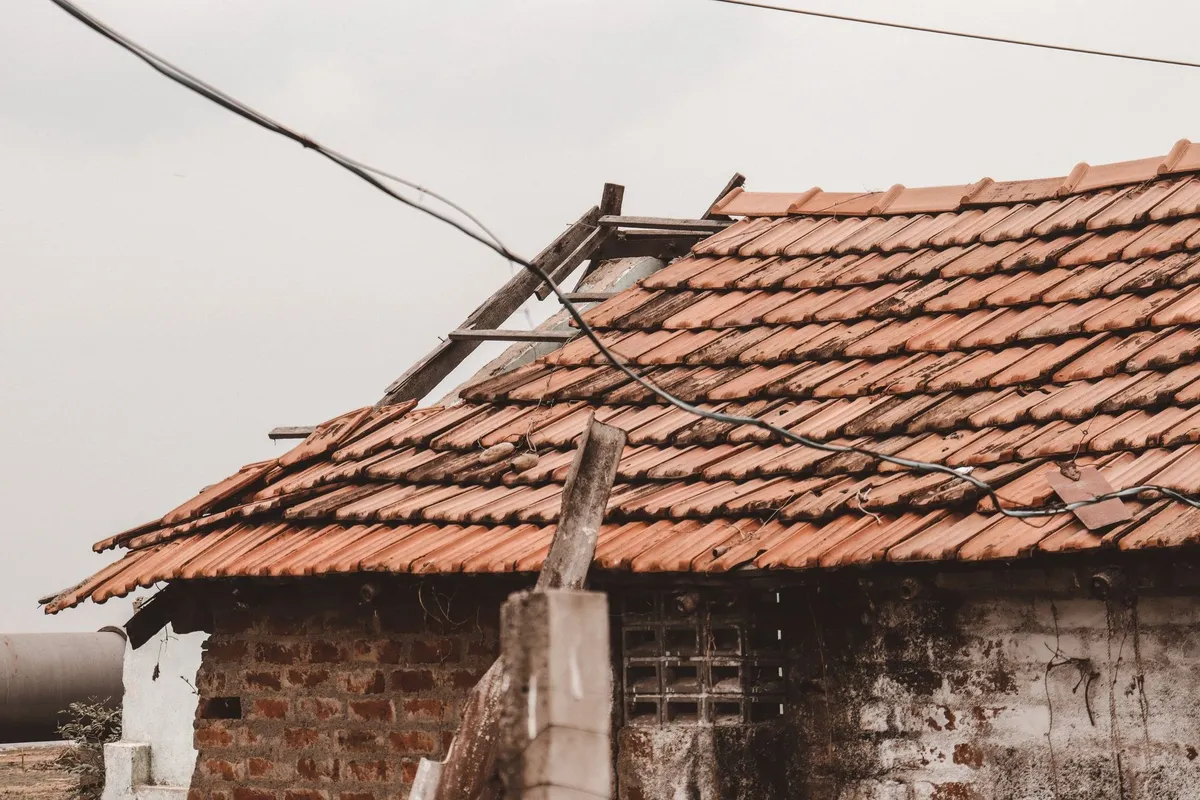
In a Roofing Emergency, Speed Matters, But Not as Much as You Think
Every contractor who shows up after a storm will tell you they can be there fast. That’s the easy promise. What separates a reliable roofer from a storm chaser is what happens after they arrive. Can they actually assess the damage accurately? Do they carry the materials to get your roof protected that same day? Do they have a crew, or are they a one-person operation calling in favors?
When you’re dealing with an active leak or storm damage, the immediate priority is stopping water from getting in. A quality contractor will offer emergency roof tarping as a first step, a proper, secured tarp that buys time while a full repair plan is developed. If someone shows up and immediately starts talking about full replacement before they’ve even been on your roof, that’s a red flag worth paying attention to.
Ask directly: How long have you been operating in this area? Do you have references from jobs in this neighborhood? A contractor with real roots here will have real answers.
The Emergency Roofer Who Disappears After the Check Clears
This is the scenario homeowners dread most, and it happens more often than people realize, especially after major weather events when out-of-town crews flood the area looking for work. They do a fast job, collect payment, and by the time you notice the leak that started three weeks later, they’re gone.
Local contractors have skin in the game. Their reputation lives and dies in the same zip codes where they work. When you hire someone based in the area, they have a reason to stand behind their work, because their next customer might be your neighbor.
Look for a contractor who offers a clear warranty on both materials and labor. Ask what happens if something goes wrong six months from now. The answer to that question tells you everything about how they operate. Homeowners who’ve worked with Bravo Roofing frequently mention that follow-through and accountability were what stood out most, not just the quality of the work itself, but the confidence of knowing someone would actually pick up the phone if a problem came up later.
What Your Insurance Company Needs (And What Most Contractors Get Wrong)
Emergency repairs and insurance claims go hand in hand, and this is where a lot of contractors fall short. Filing a roof claim isn’t just about documenting damage, it’s about documenting it correctly, with the right photos, the right terminology, and the right timeline. A contractor who doesn’t understand that process can actually hurt your claim without meaning to.
Before you sign anything, ask your contractor whether they have experience working directly with insurance adjusters. Do they know how to write up a damage assessment that supports your claim? Will they be on-site when the adjuster comes out? These aren’t unreasonable questions, they’re exactly the right ones to ask.
If you’re unsure what your policy actually covers, it helps to understand the basics of roof insurance claims before your adjuster shows up. Going in informed means you’re less likely to accept a settlement that doesn’t actually cover what needs to be done.
The Roof Inspection That Tells You What You’re Actually Dealing With
One of the most overlooked steps in emergency roofing situations is a proper inspection. When something goes wrong, the visible damage is rarely the whole story. Water travels. What looks like a small leak at one spot on the ceiling might trace back to a failure point several feet away on the roof. Missing that means fixing the wrong thing, and paying for it twice.
A thorough inspection covers the obvious entry points, damaged shingles, compromised flashing, deteriorated underlayment, but also looks at the condition of the decking beneath, the state of the gutters, and whether there are any secondary vulnerabilities that could cause problems down the road. This is especially important in older Pikesville homes, where deferred maintenance has a way of compounding.
Don’t let a contractor skip this step just because the situation feels urgent. A ten-minute walk-around is not an inspection. If you want to understand what a real assessment involves, it’s worth reading up on what a professional roof inspection actually covers before you have someone on your property.
The right contractor won’t rush you into a decision. They’ll show you what they found, explain your options clearly, and give you a written estimate before any work begins. That’s not a high bar, it’s the minimum standard. And in a real emergency, knowing the difference between a contractor who meets it and one who doesn’t could save you thousands.
Emergency Roof Repair FAQs for Pikesville Homeowners
How do I know if a roofer showing up after a storm in Pikesville is actually local or just an out-of-town crew chasing work?
Ask them directly how long they’ve been operating in the area and whether they have references from jobs in Pikesville or nearby neighborhoods, a contractor with real roots here will have real answers to both questions. Out-of-town crews often can’t name a single local reference because they weren’t here last month and won’t be here next month. If they dodge those questions or get vague, that tells you what you need to know.
What should a roofer actually do when they first arrive at my Pikesville home during an emergency?
The immediate priority is stopping water from getting in, which means the first step should be emergency roof tarping, a properly secured tarp that protects your home while a full repair plan gets worked out. If someone shows up and starts talking about full replacement before they’ve even been on your roof, that’s a red flag. A ten-minute walk-around is not an inspection, and no legitimate contractor should be pushing you toward a major decision before they’ve actually assessed the damage.
What questions should I ask about the warranty before I let anyone start work on my roof?
Ask specifically whether the warranty covers both materials and labor, and ask what happens if a problem shows up six months after the job is done. The answer to that second question is the more important one, it tells you whether this contractor plans to be reachable after the check clears. If they can’t give you a straight answer, assume they won’t be picking up the phone later.
How does a roofer’s experience with insurance adjusters actually affect my claim?
A contractor who doesn’t understand the claims process can hurt your case without meaning to, filing a damage assessment with the wrong documentation, wrong terminology, or wrong timeline can give your insurer a reason to reduce or deny your settlement. You want someone who knows how to write up damage correctly and who will be on-site when the adjuster comes out. Going into that meeting uninformed about your own policy puts you at a disadvantage when it comes to accepting a settlement offer.
Why does a full inspection matter so much in older Pikesville homes specifically?
Water travels, so what looks like a small ceiling leak might actually trace back to a failure point several feet away on the roof, fixing the visible spot without finding the real source means paying for the same problem twice. In older Pikesville homes, deferred maintenance tends to compound, meaning one issue often reveals others in the decking, flashing, or underlayment underneath. A real inspection covers all of that, not just the obvious entry points, and should end with a written estimate before any work begins.
Get Directions to Bravo Roofing
🎧 Listen to this as a podcast
Also on Apple Podcasts, Spotify, and Amazon Music.