
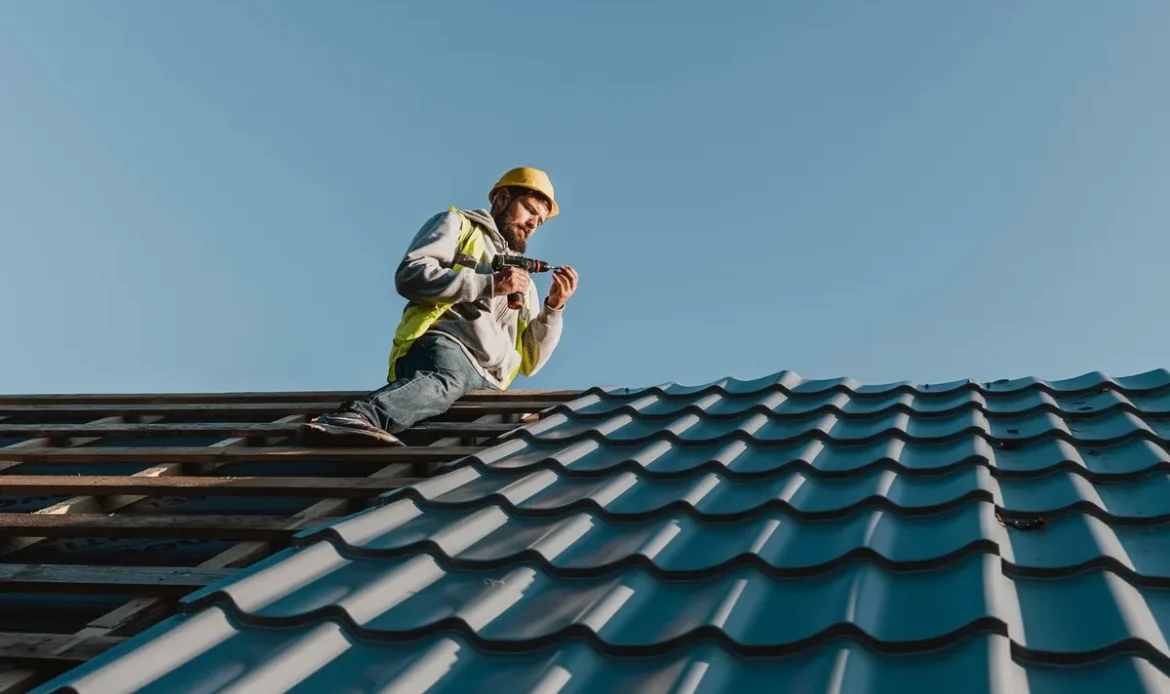
When it comes to roof replacement in Pikesville, MDmost homeowners focus on one thing: getting the old shingles off and the new ones on as fast as possible. That’s understandable. A failing roof is stressful, and you just want it done. But rushing through the process, or not asking the right questions upfront, can cost you significantly more money down the road. There are details that don’t make it into the sales pitch but absolutely affect how long your new roof lasts and how well it performs.
The Underlayment Conversation Nobody Is Having
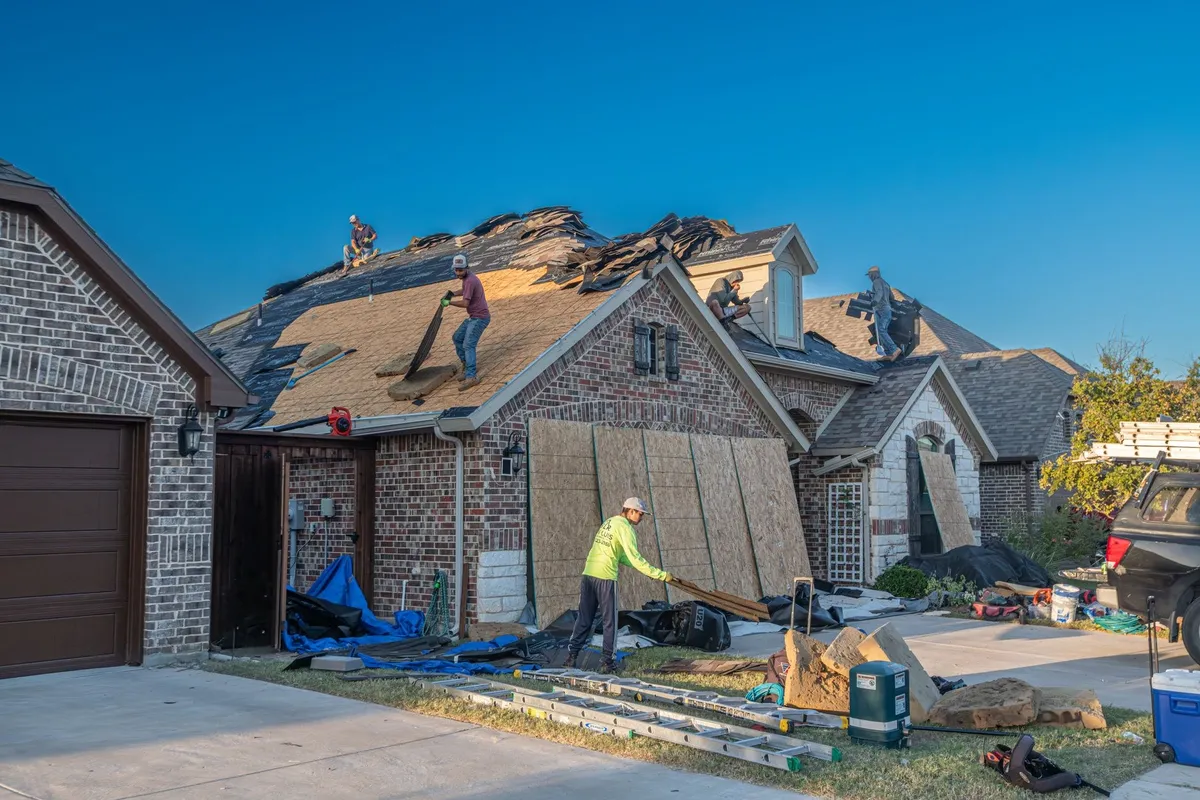
Ask most homeowners what’s under their shingles, and you’ll get a blank stare. That’s a problem, because the underlayment, the layer of material installed directly on the roof deck before shingles go down, is doing a lot of heavy lifting. It’s your secondary line of defense against water infiltration. If a shingle lifts in a storm, or ice dams form along your eaves in winter, the underlayment is what stands between you and a ceiling stain.
There are two main types: felt underlayment, which is the traditional option and costs less, and synthetic underlayment, which is more durable, tear-resistant, and holds up better in wet conditions during installation. Many contractors will default to felt simply because it’s cheaper and homeowners don’t know to ask otherwise. Before any contract is signed, ask specifically what underlayment is being used and why. A contractor who can’t explain the difference clearly is a contractor worth being cautious about.
Maryland winters bring ice, and Baltimore County homes, particularly those with lower-pitched roofs, are vulnerable to ice dam damage. Make sure your estimate includes ice and water shield along the eaves and in valleys. This self-adhering membrane is non-negotiable in this climate, and skipping it is one of the most common corners that gets cut on lower-priced jobs.
Your Attic Is Part of the Roofing System
This one surprises people. A brand-new roof installed over a poorly ventilated attic will fail years ahead of schedule. Heat and moisture trapped in the attic space attack the roof deck from below, causing shingles to blister, curl, and degrade faster than they should. In some cases, it can even void the manufacturer’s warranty on the shingles themselves.
Proper attic ventilation means a balanced system, intake at the soffits, exhaust at the ridge. If your contractor isn’t walking you through the ventilation plan as part of the project, that’s a gap worth addressing before work begins. The same goes for insulation. Inadequate insulation doesn’t just drive up your energy bills; it contributes to the freeze-thaw cycles that damage roofing materials over time.
A quality roofing crew will inspect the attic before finalizing the scope of work. If yours doesn’t, ask them to. It’s not an unusual request, it’s actually a sign that you’re paying attention, which tends to bring out better work from contractors across the board.
Decking Damage Is Often Discovered Mid-Job
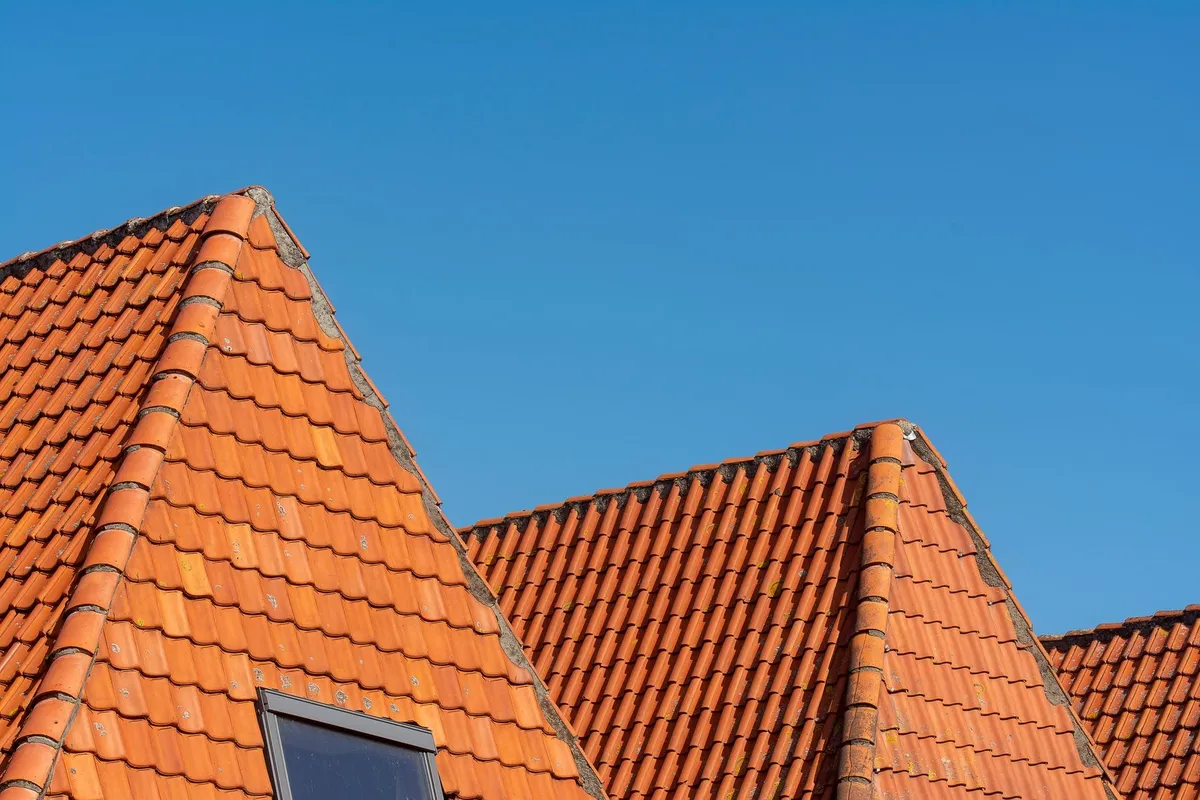
Here’s something that catches homeowners off guard: you won’t always know the full condition of your roof deck until the old shingles come off. Rotted or soft decking, caused by years of moisture intrusion, has to be replaced before new materials go down. This is legitimate and necessary work, but it can add to your final cost in ways that weren’t reflected in the original estimate.
The honest move is to ask your contractor upfront how they handle decking replacement. What’s the per-sheet cost if additional plywood is needed? Get that number in writing before the job starts. Reputable contractors are transparent about this because they’ve been through it hundreds of times. If someone gives you a firm fixed price with no mention of how decking surprises are handled, read the fine print carefully.
If you want a realistic picture of what the full project might run you, this breakdown of roof overhaul costs in Pikesville gives you a solid starting point for understanding where your money goes, including the variables that can shift the final number.
Choosing a Contractor Is About More Than the Lowest Bid
Price matters, nobody’s pretending otherwise. But the gap between a $9,000 quote and a $12,000 quote often exists for a reason. Lower bids frequently mean thinner materials, fewer layers of protection, less experienced crews, or work that doesn’t meet local code requirements. When the roof fails in five years instead of twenty-five, the savings evaporate fast.
Look for contractors who are licensed and insured in Maryland, who pull the necessary permits, and who offer a workmanship warranty separate from the manufacturer’s material warranty. Those are two different things, and both matter. The manufacturer’s warranty covers the shingles themselves. The workmanship warranty covers how they were installed, and installation errors are far more common than material defects.
Homeowners who’ve worked with Bravo Roofing consistently mention feeling informed throughout the process, not just handed a contract and told to sign. That kind of communication, knowing what’s happening on your roof and why, is worth factoring into your decision. A new roof is a significant investment, and you deserve to understand exactly what you’re getting for your money.
Whether you’re in Pikesville or a neighboring community like Owings Millsthe fundamentals are the same: the right materials, the right installation, and a contractor who treats the job like it matters. Because it does, for the next twenty to thirty years, at least.
Frequently Asked Questions
How do I know if my contractor is cutting corners on the underlayment?
Ask them directly what type of underlayment they’re using and why, a contractor who can’t explain the difference between felt and synthetic is a red flag worth taking seriously. Synthetic underlayment is more tear-resistant and holds up better in wet conditions, while felt is cheaper and often the default choice homeowners never think to question. Also confirm that ice and water shield is included along the eaves and in the valleys, because skipping that membrane is one of the most common ways lower-priced jobs in this climate fall short.
Why would my attic have anything to do with how long my new roof lasts?
Heat and moisture trapped in a poorly ventilated attic attack the roof deck from below, causing shingles to blister, curl, and wear out years ahead of schedule. In some cases, bad attic ventilation can actually void the manufacturer’s warranty on the shingles themselves. A proper system needs intake at the soffits and exhaust at the ridge, if your contractor isn’t walking you through that plan before work starts, ask them to.
What happens if the crew finds rotted decking once the old shingles come off?
Rotted or soft decking has to be replaced before new materials go down, and that work isn’t always visible until the old roof is stripped, so it can add to your final cost in ways the original estimate didn’t reflect. The right move is to ask upfront what the per-sheet cost for additional plywood would be and get that number in writing before the job starts. Reputable contractors are straightforward about this because they’ve dealt with it on hundreds of jobs; if someone offers a firm fixed price with no mention of how decking surprises are handled, read the fine print carefully.
What’s the difference between a workmanship warranty and a manufacturer’s warranty, and do I need both?
The manufacturer’s warranty covers the shingles themselves if the materials fail, while the workmanship warranty covers how those shingles were installed, and installation errors are far more common than material defects. Both matter, and a contractor who only offers one of them is leaving you with a gap in coverage. When you’re comparing bids, confirm that each quote includes a separate workmanship warranty, not just a reference to the shingle manufacturer’s coverage.
Is a $3,000 difference between two bids in Pikesville usually worth worrying about?
Yes, a gap like that between a $9,000 and a $12,000 quote typically reflects real differences in materials, crew experience, or how many layers of protection are being installed. Thinner materials and less experienced crews can mean the roof fails in five years instead of twenty-five, which wipes out the savings quickly. Look for a contractor who is licensed and insured in Maryland, pulls the required permits, and can explain exactly where every dollar is going.
Get Directions to Bravo Roofing
🎧 Listen to this as a podcast
Also on Apple Podcasts, Spotify, and Amazon Music.