

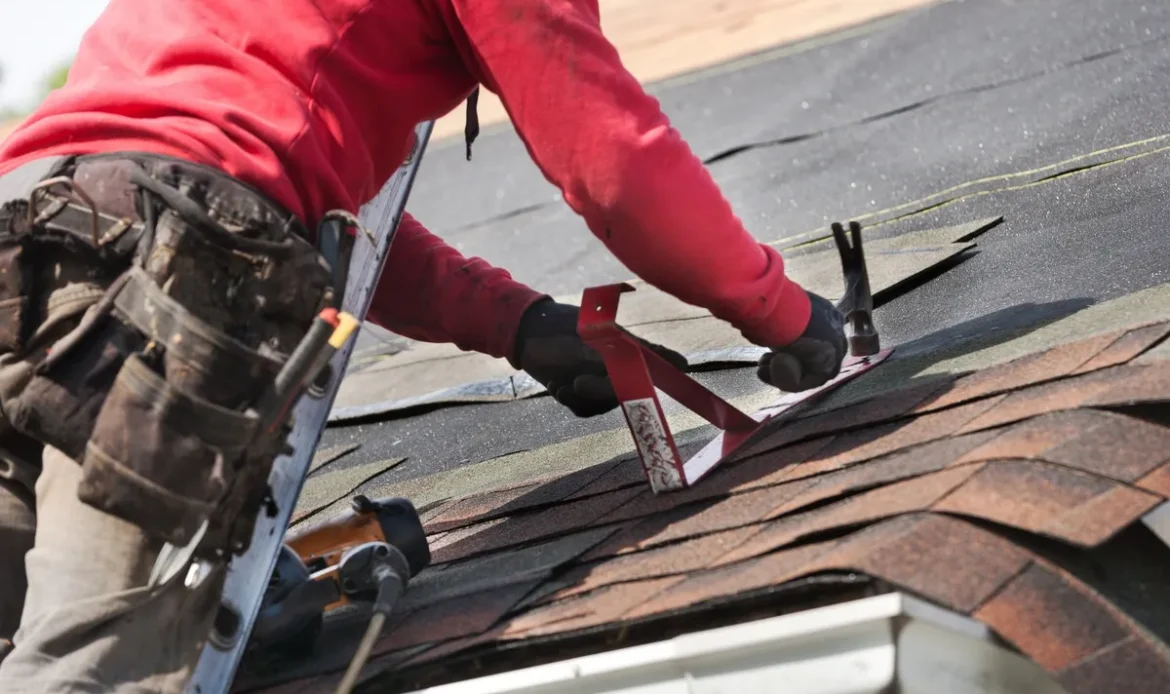
There’s a particular kind of dread that hits when you spot a water stain spreading across your ceiling. You grab your phone, type “roof repair near me Pikesville, MD,” and suddenly you’re staring at a list of contractors with no real way to tell them apart. That moment of confusion is exactly where homeowners make costly mistakes, and it’s worth slowing down before you dial the first number you see.
The Clock Is Already Ticking Before You Notice the Problem
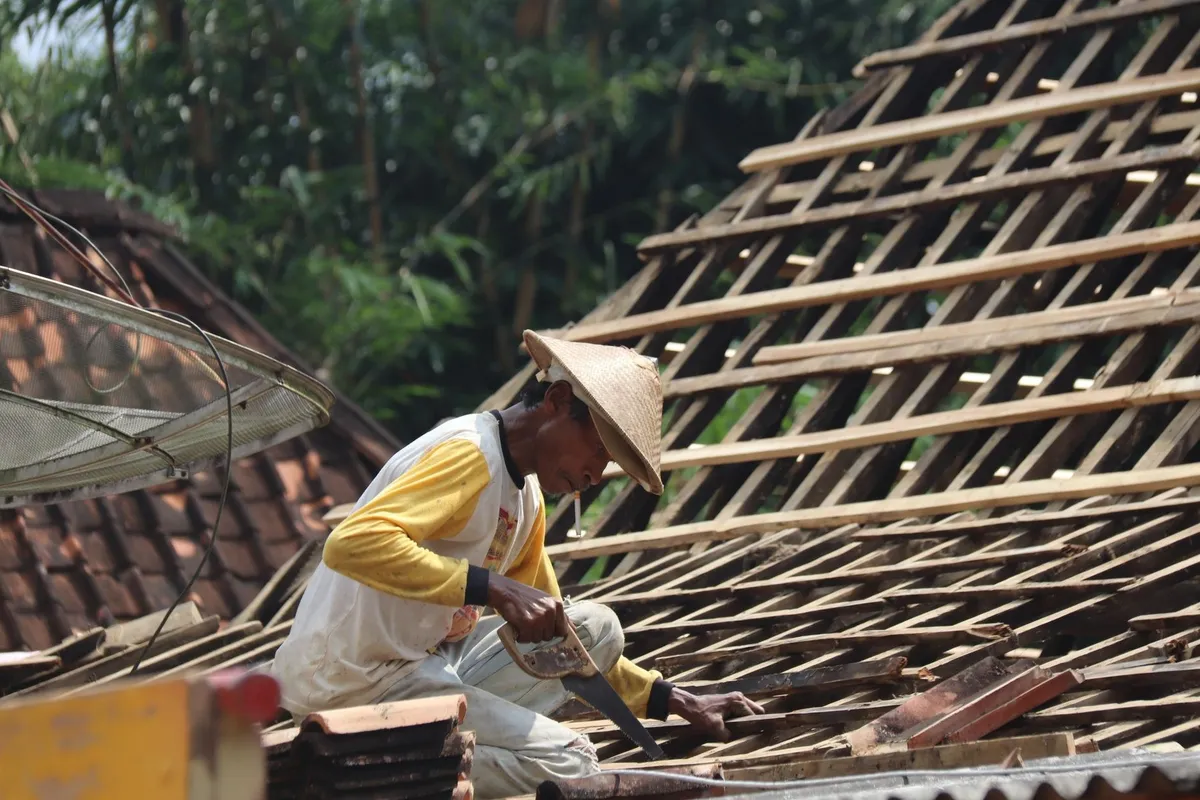
Here’s something most people don’t realize: by the time water shows up on your ceiling, the damage has usually been building for weeks, sometimes months. Roofing problems are sneaky. A cracked shingle, a lifted flashing around a chimney, or a clogged valley, none of these announce themselves loudly. They just quietly let water in, a little at a time, until the drywall can’t absorb any more.
Pikesville homes deal with a specific set of weather pressures. The mid-Atlantic climate throws everything at roofs, heavy summer thunderstorms, ice dams in January, and freeze-thaw cycles that work like a wedge against any small crack or gap. Older neighborhoods in the area have homes with mature trees overhead, which means more debris, more moss, and more blocked gutters pushing water back under shingles.
The practical takeaway: don’t wait for a drip to confirm what you suspect. If you’ve had a significant storm or your roof is more than 15 years old and hasn’t been inspected, get someone up there to look. A small repair handled early is almost always a fraction of the cost of what it becomes if you wait. If you want a realistic sense of what you might be looking at financially, this breakdown of roof leak repair costs is a useful starting point before you call anyone.
Not Every Contractor Who Shows Up After a Storm Is Worth Trusting
Storm chasers are real, and they’re active in Baltimore County. After a major weather event, you’ll see unmarked trucks cruising neighborhoods, knocking on doors, offering quick inspections and suspiciously low quotes. Some of them do shoddy work and disappear before the next rain proves it. Others are outright scams targeting insurance claims.
A legitimate local contractor has a physical presence in the area, a verifiable track record, and no hesitation about providing references or proof of licensing and insurance. They’re not going to pressure you into signing anything on the spot. They’ll take the time to walk you through what they found, show you photos if they can, and explain your options clearly.
When homeowners in this area have worked with Bravo Roofing, a consistent theme comes through in their feedback, they appreciated being treated like informed adults rather than just another job ticket. That kind of straightforward communication matters, especially when you’re stressed about water getting into your home.
If you’re unsure what to look for when vetting a contractor, this guide on what factors to consider when choosing a roofing company covers the key questions worth asking before anyone gets on your roof.
Repair vs. Replace, Getting Honest About What Your Roof Actually Needs
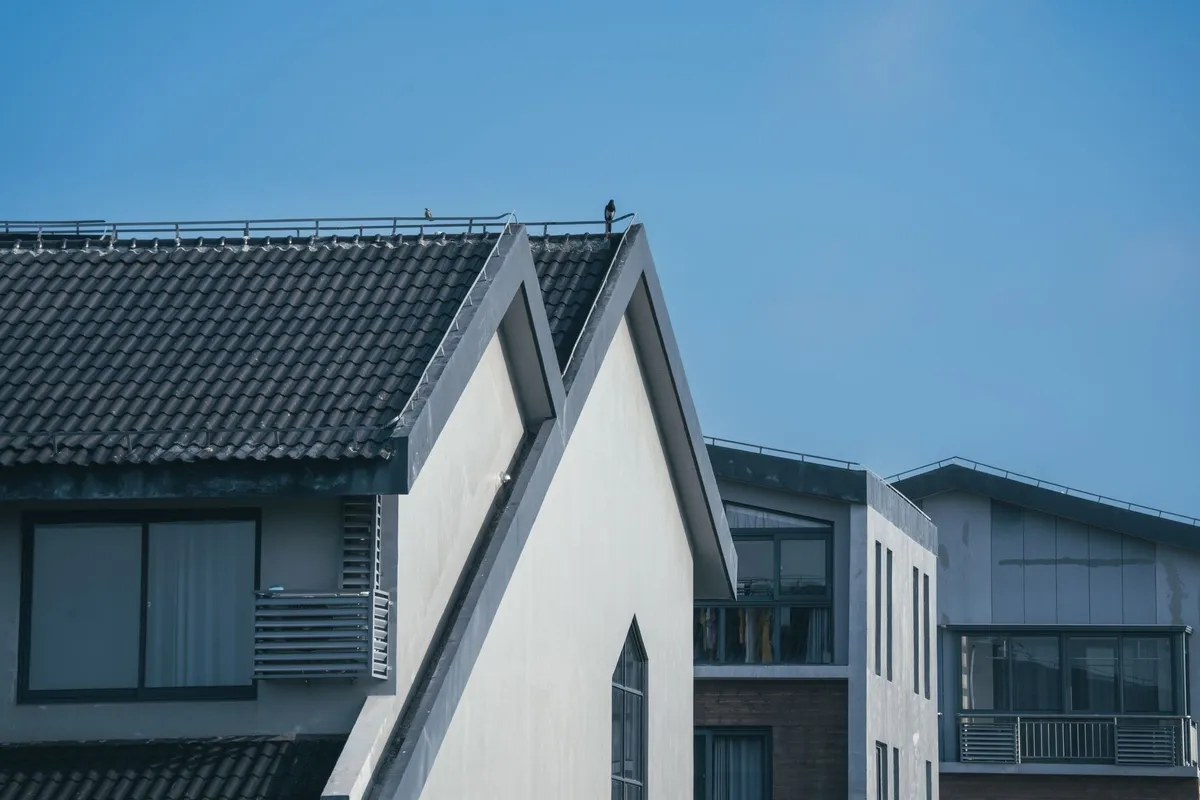
One of the most common frustrations homeowners express is not knowing whether they need a targeted fix or a full replacement. Contractors sometimes push for replacements when repairs would do the job. Other times, homeowners insist on patching a roof that has genuinely run its course, and end up spending money on repairs that only delay the inevitable by a season or two.
The honest answer depends on a few things: the age of the roof, the extent of the damage, and whether the problem is isolated or symptomatic of broader wear. A 10-year-old roof with storm damage to a specific section? Almost certainly repairable. A 25-year-old roof with granule loss across the whole surface, sagging in spots, and recurring leaks in multiple locations? That’s a conversation about roof replacement in Pikesvillenot another patch job.
A trustworthy contractor will give you a straight answer on this, even if the repair option means less revenue for them. If someone is pushing hard for a full replacement on a relatively young roof with minor damage, that’s worth a second opinion.
What to Actually Do When You Spot a Problem
Start inside. If you see a water stain, mark the edges with a pencil and check it again after the next rain to see if it’s growing. Look in your attic with a flashlight, daylight coming through the decking, dark staining on the wood, or soft spots are all signs of active or past water intrusion.
Outside, stay on the ground and look for obvious signs: missing or curled shingles, debris collecting in valleys, damaged flashing around chimneys or vents, or gutters pulling away from the fascia. You don’t need to climb up yourself, in fact, it’s better if you don’t.
When you call a contractor, ask them to document what they find with photos before any work begins. A good company will do this without being asked. Get the scope of work in writing, confirm the warranty on both materials and labor, and make sure they’re pulling any required permits for the job.
Bravo Roofing serves Pikesville and the surrounding communities throughout Baltimore County and beyond, including areas like Owings Mills and Lutherville-Timonium. Local experience matters here, knowing how these neighborhoods were built, what materials were commonly used, and how the local weather patterns affect specific roof types makes a real difference in the quality of the diagnosis and the repair.
The bottom line is simple: the right contractor will make you feel more informed after the conversation, not more confused. That’s the standard worth holding out for.
Frequently Asked Questions
How do I know if my Pikesville roof actually needs replacing or if a repair will hold?
Age and the spread of the damage are the two biggest factors, a 10-year-old roof with storm damage to one section is almost always repairable, while a 25-year-old roof showing granule loss across the whole surface, sagging spots, and leaks in multiple places is a replacement conversation. If a contractor is pushing hard for a full replacement on a younger roof with minor damage, get a second opinion before agreeing to anything. A straight answer on this, even when repair means less money for the contractor, is one of the clearest signs you’re dealing with someone worth trusting.
What are the warning signs I can check for myself without getting on the roof?
Inside, look for water stains on the ceiling and trace them into the attic with a flashlight, daylight coming through the decking, dark wood staining, or soft spots all point to water getting in. Outside, stay on the ground and scan for missing or curled shingles, debris sitting in the roof valleys, damaged flashing around chimneys or vents, and gutters pulling away from the fascia. Mark the edges of any ceiling stains with a pencil and check again after the next rain to see whether the damage is actively growing.
Why does my ceiling only show water damage now if the roof problem has been building for months?
Roofing problems like cracked shingles, lifted chimney flashing, or clogged valleys let water in gradually, and the drywall absorbs it quietly until it simply can’t anymore, that’s when the stain finally appears. By that point, the actual damage is usually much older and often more extensive than the ceiling stain suggests. This is why getting a roof inspected after a major storm or once it passes 15 years old makes sense, rather than waiting for visible proof inside the house.
How do I avoid getting taken advantage of by contractors who show up after a storm in Baltimore County?
Legitimate contractors have a physical presence in the area, verifiable references, and proof of licensing and insurance they’ll hand over without hesitation, storm chasers in unmarked trucks typically can’t provide any of that. A trustworthy contractor won’t pressure you into signing anything on the spot and will walk you through their findings clearly, often with photos. If someone is offering a suspiciously low quote and pushing you to decide immediately, that’s a strong signal to walk away.
What should I ask for in writing before any roof work starts on my home?
Get the full scope of work documented before anyone begins, and confirm the warranty covers both materials and labor separately, since those are two different things. Ask whether the contractor will pull the required permits for the job, skipping permits is a shortcut that can cause problems when you sell the house or file an insurance claim later. A good contractor will also document what they found with photos before starting work, which protects both you and them if there’s any dispute about what was repaired.
Get Directions to Bravo Roofing
🎧 Listen to this as a podcast
Also on Apple Podcasts, Spotify, and Amazon Music.