

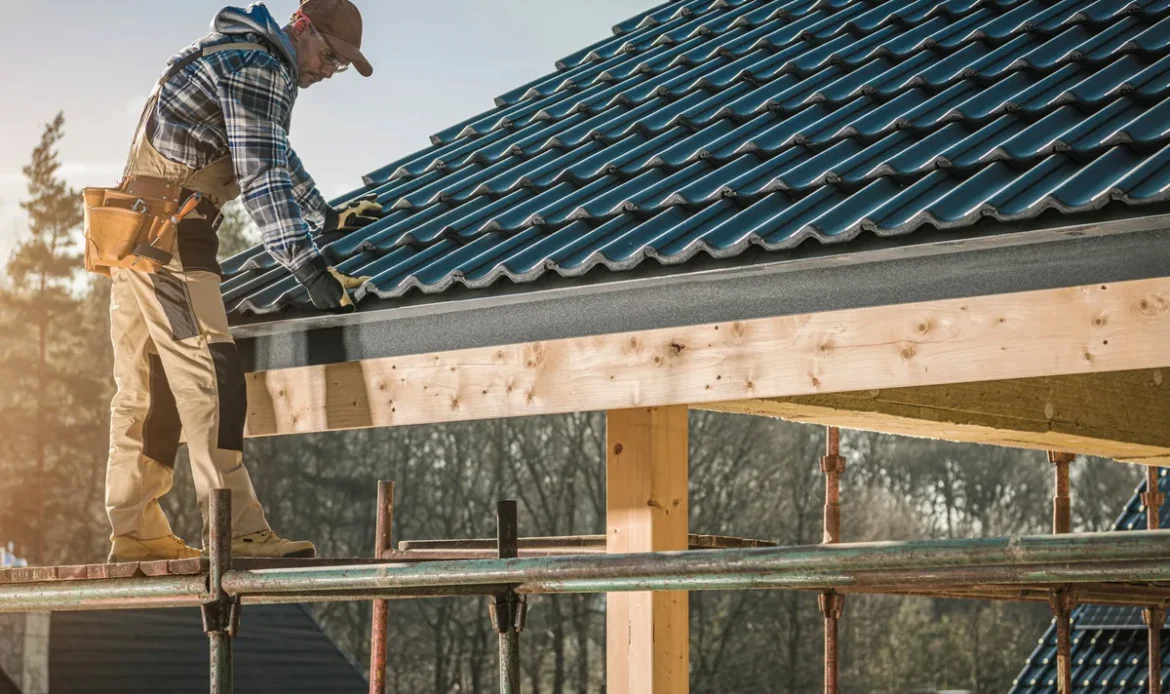
When something goes wrong with your roof, the last thing you want is to be scrambling through a list of contractors hoping you pick the right one. Homeowners who’ve worked with a trusted roofing company in Pikesville, MD know there’s a real difference between a crew that shows up, does the job, and disappears, and one that actually stands behind their work. The problem is, most people don’t start paying attention to their roof until water is dripping onto their kitchen floor. By then, what could have been a minor repair has often turned into something much more expensive.
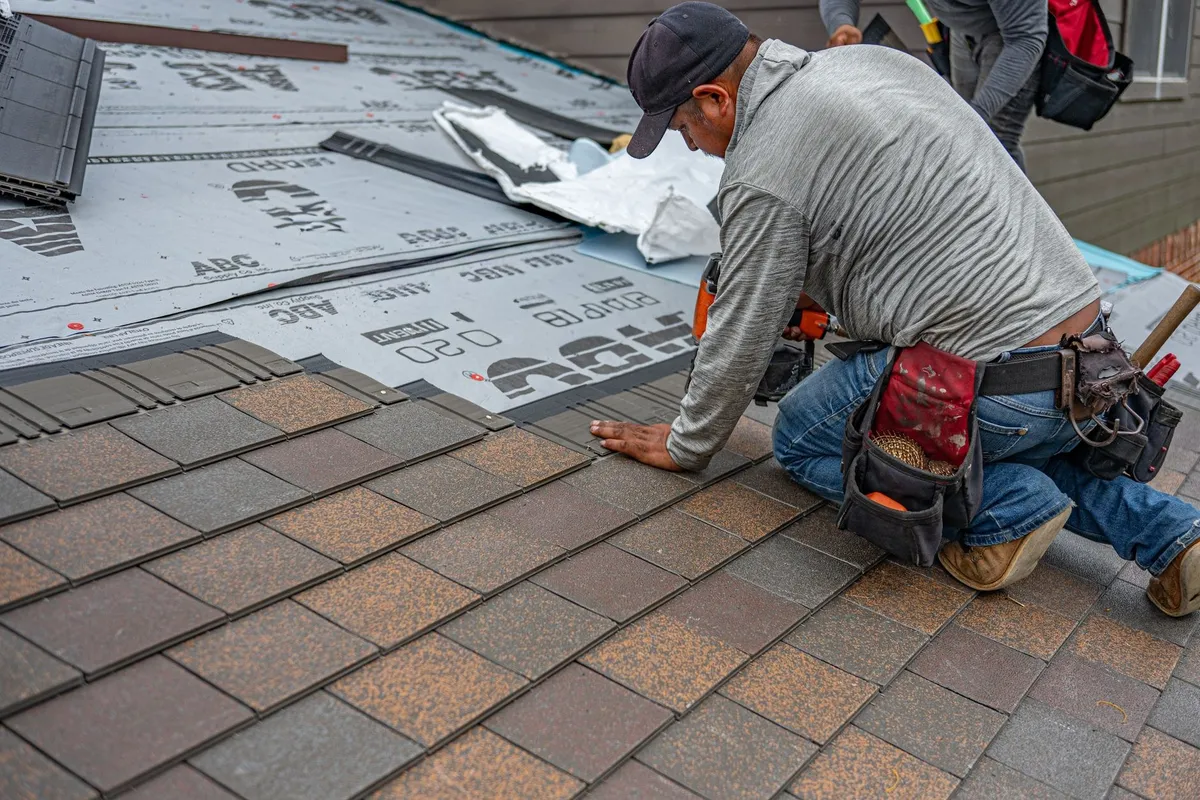
Your Roof Is Talking, Most People Just Aren’t Listening
A roof rarely fails without warning. The signs are usually there weeks or even months before a serious problem develops. The trouble is, they’re easy to dismiss or simply miss altogether if you’re not sure what to look for.
Start inside your home. Dark stains or water marks on your ceiling, even ones that look old and dry, are worth investigating. A stain that dried up after last spring’s rain didn’t fix itself. It just stopped being visible. The underlying issue is still there, and the next heavy storm will remind you of that quickly.
In your attic, look for daylight coming through the roof boards, soft spots in the decking, or any sign of moisture around the rafters. These are not cosmetic issues. They point to compromised structural integrity that, left alone, can spread.
Outside, missing or curling shingles are obvious red flags. But pay attention to the less obvious ones too, granules collecting in your gutters (they look like coarse sand), flashing that’s pulling away from chimneys or skylights, and sagging areas along the roofline. Any one of these warrants a professional look, not a wait-and-see approach.
The Repair-or-Replace Question Nobody Wants to Answer
This is where a lot of homeowners get stuck. Nobody wants to spend money on a full roof replacement if a repair will do the job. And nobody wants to throw money at repairs on a roof that’s already past its useful life. The honest answer depends on a few factors that only a proper inspection can reveal.
Age matters a lot. Most asphalt shingle roofs in this region have a realistic lifespan of 20 to 25 years, depending on installation quality, ventilation, and how well the home has been maintained. If your roof is pushing 20 years and you’re seeing multiple problem areas, patching it is often just delaying the inevitable, and sometimes making the final bill higher.
The scope of damage matters too. A single area of missing shingles after a storm is a straightforward repair. But if a roof inspection reveals widespread granule loss, multiple soft spots in the decking, or compromised flashing in several locations, a targeted repair won’t address the full picture.
A good contractor will be straight with you about this. If someone is pushing you toward a full replacement on a 10-year-old roof with isolated storm damage, that’s a red flag. And if someone is offering to patch a 22-year-old roof with systemic wear just to win the job, that’s equally concerning.
Why Pikesville Roofs Take a Particular Kind of Beating
Maryland weather is genuinely hard on roofing systems. Pikesville sits in a climate zone that gets the full range, brutal summer heat and humidity, ice and snow in winter, and everything in between. That freeze-thaw cycle is particularly damaging. Water works its way into small cracks, freezes, expands, and widens those cracks over time. Flashing and sealants around penetrations are especially vulnerable to this process.
Ice dams are another local concern that catches homeowners off guard. When heat escapes through a poorly insulated attic, it melts snow on the upper part of the roof. That water runs down and refreezes at the eaves, creating a dam that forces water back up under the shingles. The damage that follows, to sheathing, insulation, and interior ceilings, can be significant. If you’ve noticed icicles forming along your roofline in winter, it’s worth understanding how ice dams form and what you can do about them.
Summer brings its own challenges. UV exposure degrades shingle material over time, and poor attic ventilation traps heat that accelerates that breakdown from the underside. A roof that looks fine from the street might be aging prematurely because of what’s happening beneath the surface.
What Separates a Trustworthy Contractor From the Rest
Homeowners who’ve had good experiences with local roofers often say the same things: the contractor was upfront about costs, communicated clearly throughout the project, and didn’t disappear when a follow-up question came up weeks later. That kind of accountability is harder to find than it should be.
Before hiring anyone, verify they’re licensed and insured in Maryland. Ask for a written estimate that breaks down materials and labor, not a single number with no explanation. And be cautious of anyone who shows up unsolicited after a storm offering a quick deal. Storm-chasing contractors are a real problem in this area, and they rarely stick around if something goes wrong.
The team at Bravo Roofing has built a reputation in this community by doing the work right and treating customers like neighbors rather than transactions. That reputation shows up consistently in what past clients say, people who came in nervous about a big project and left feeling like they actually understood what was done and why.
Your roof is one of the most important systems protecting your home. Paying attention to the warning signs early, asking the right questions, and working with someone who’s genuinely invested in the outcome, that’s what keeps a small problem from becoming a very expensive one.
Frequently Asked Questions
How do I know if my Pikesville home has an ice dam problem before it causes interior damage?
The clearest early sign is icicles forming along your roofline in winter, which points to heat escaping through a poorly insulated attic and melting snow that refreezes at the eaves. Once that ice dam forms, water gets forced back up under the shingles and can damage your sheathing, insulation, and interior ceilings before you see a single drip inside. If you’re noticing those icicles, it’s worth having the attic ventilation and insulation looked at, not just the roof surface itself.
My ceiling stain dried up months ago and hasn’t come back, does that mean the problem fixed itself?
No, a stain that dried up after a rainstorm didn’t fix the underlying issue, it just stopped being visible until the next heavy rain hits. The water found a way in once, and the same entry point is still there waiting for the right conditions to show up again. That old, dry-looking stain is worth having a contractor investigate before it turns into a much bigger repair.
At what point does it stop making sense to keep repairing an older roof in Pikesville instead of replacing it?
Most asphalt shingle roofs in this region have a realistic lifespan of 20 to 25 years, so if your roof is pushing 20 and you’re seeing problems in multiple areas, patching it often just delays the inevitable and can drive the final cost higher. A single missing shingle after a storm is a straightforward fix, but widespread granule loss, soft spots in the decking, or failing flashing in several spots means a targeted repair won’t address what’s actually going on. A contractor who’s being straight with you will tell you which situation you’re actually in.
What should I watch out for when a contractor shows up after a storm offering a quick deal?
Storm-chasing contractors are a real problem in this area, they move fast, offer deals, and often aren’t around if something goes wrong after the job is done. Before agreeing to anything, verify the contractor is licensed and insured in Maryland and ask for a written estimate that breaks down materials and labor separately, not just a single number. Anyone who can’t or won’t provide that level of detail upfront is worth being cautious about.
Can poor attic ventilation really damage a roof that otherwise looks fine from the street?
Yes, UV exposure degrades shingles over time from the outside, but trapped heat from poor attic ventilation accelerates that breakdown from the underside at the same time. A roof that looks acceptable from the curb can be aging much faster than it should because of what’s happening beneath the surface. This is one of the reasons a proper inspection that includes the attic gives you a much more accurate picture than a visual check from the ground.
Get Directions to Bravo Roofing
🎧 Listen to this as a podcast
Also on Apple Podcasts, Spotify, and Amazon Music.