

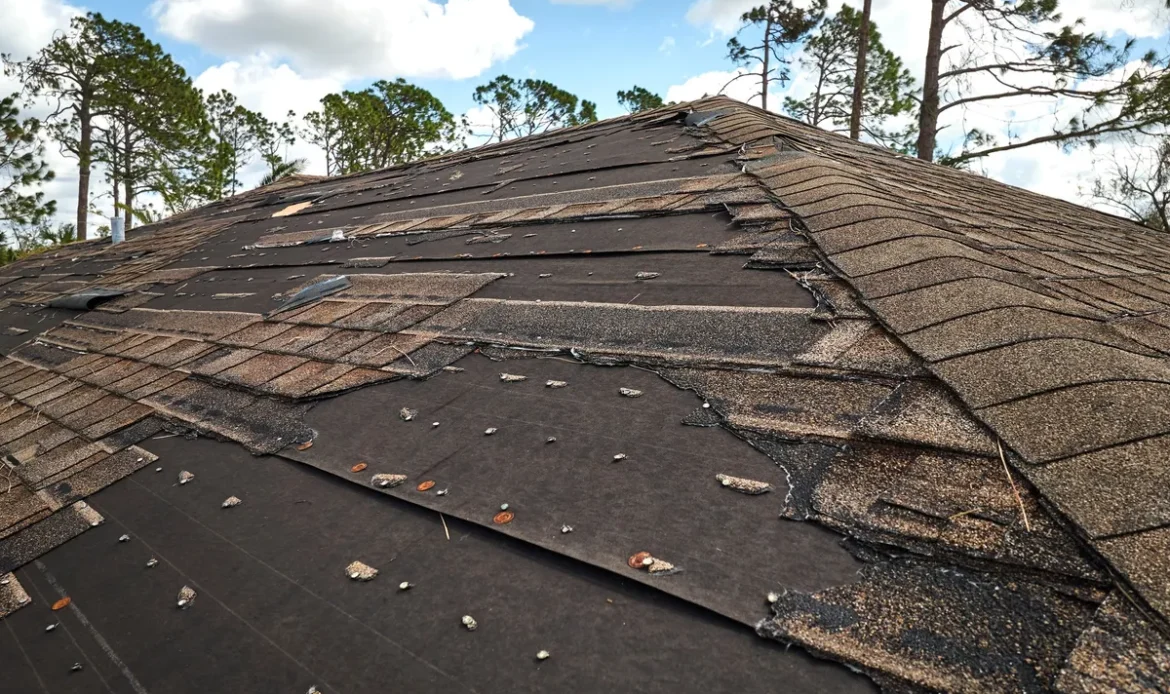
A bad storm rolls through, and suddenly you’re staring at a water stain spreading across your ceiling or worse, daylight peeking through where your attic used to be sealed tight. When that happens, getting emergency roof repair in Pikesville, MD lined up fast isn’t just about protecting your home’s structure. It’s about stopping a manageable problem from turning into a catastrophic one. Here’s what you actually need to know when the clock is ticking.
The First Hour After Storm Damage Matters More Than You Think
Most homeowners make the same mistake: they wait. They figure the rain has stopped, the worst is over, and they’ll deal with it in the morning. But water doesn’t wait. Once it gets past your roofing system, it moves fast, soaking into insulation, weakening rafters, and setting up the conditions for mold growth within 24 to 48 hours.
The moment you suspect your roof has been compromised, start documenting everything. Walk through your home and photograph any interior water damage, ceilings, walls, attic spaces. Then, if it’s safe to do so from the ground, take photos of the exterior. Don’t climb up on a wet roof. That’s a job for professionals with the right equipment and experience.
Call your insurance company early. Most policies require you to report damage promptly, and the photos you take in that first hour become your strongest evidence when it’s time to file a claim. Waiting a week to report damage can complicate your payout significantly.
Tarping Isn’t a Fix, But It’s a Lifeline
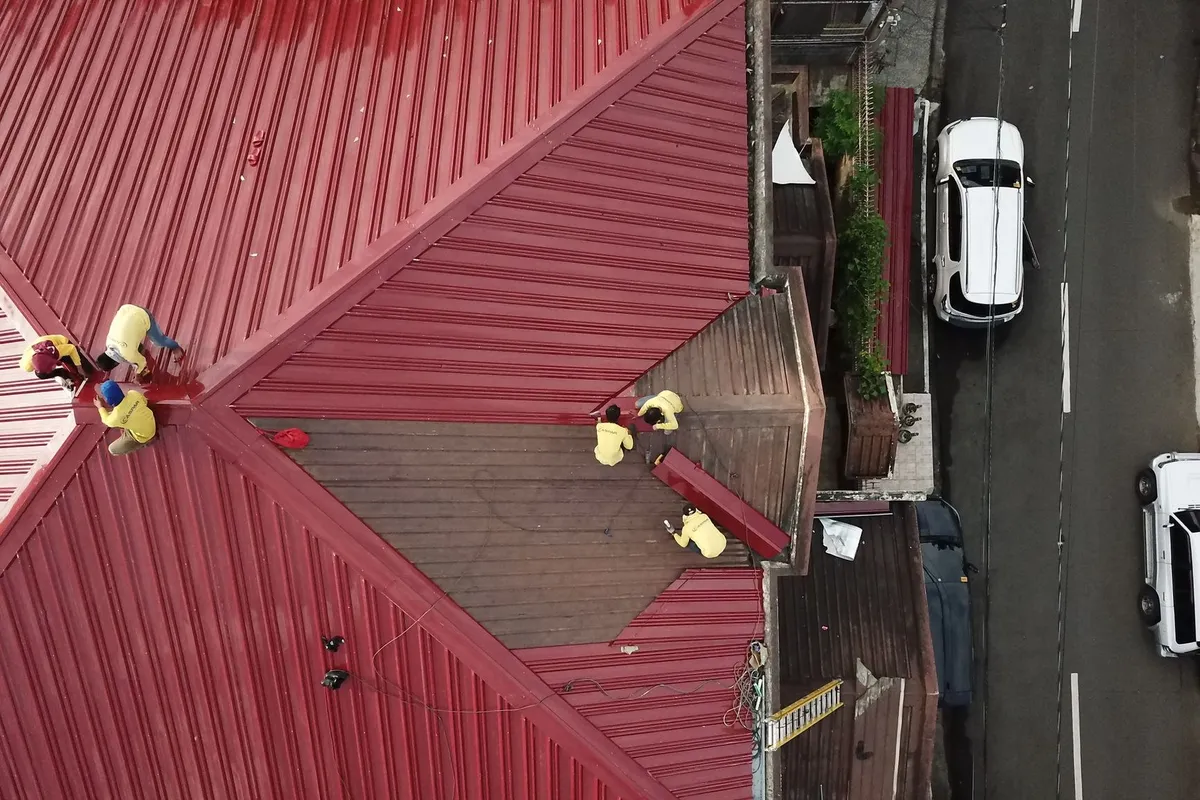
A quality emergency response often starts with temporary protective measures. When a roofing crew arrives quickly, one of the first things they’ll do is apply heavy-duty tarping over any exposed or damaged sections. This isn’t a repair, it’s damage control. Think of it as stopping the bleeding before surgery.
Good tarping, done correctly, can protect your home for days or even weeks while a full assessment is completed and materials are sourced. Poorly applied tarping, on the other hand, can shift in wind and actually make things worse. This is one reason why who you call matters as much as how fast you call them.
The team at Bravo Roofing has handled urgent situations across Pikesville and the surrounding area long enough to know that a fast response paired with solid temporary protection buys homeowners real breathing room, without cutting corners on the permanent fix that follows.
What Storm Damage Actually Looks Like (It’s Not Always Obvious)
Missing shingles after a major storm are easy to spot. But a lot of storm damage is subtler, and that’s where homeowners get into trouble. Wind-driven rain can force water under shingles that look perfectly intact from the street. Hail can bruise asphalt shingles in ways that aren’t visible to the untrained eye but dramatically shorten their lifespan. Flashing around chimneys, skylights, and vents is particularly vulnerable, a small separation there can funnel gallons of water into your home during the next rain.
After any significant weather event, it’s worth having a professional inspection even if nothing looks obviously wrong. A trained eye will catch things that a casual glance from the driveway simply won’t. Many homeowners who’ve gone through the process say the inspection itself gave them peace of mind, either confirming real damage that needed attention or ruling it out entirely.
If your roof has taken repeated hits over the years and repairs are starting to stack up, it may be worth exploring whether a full roof replacement in Pikesville makes more financial sense than continued patchwork fixes. A good contractor will give you an honest answer on that rather than just selling you the most expensive option.
Choosing Who Responds to Your Call Is a Decision Worth Making Carefully
After a major storm, roofing contractors appear seemingly out of nowhere. Some are legitimate local businesses with real track records. Others are storm chasers, out-of-state crews that follow severe weather events, collect deposits, and disappear before the work is finished or before warranty issues surface.
The safest move is to work with a contractor who is already established in your community. Ask for proof of licensing and insurance before anyone gets on your roof. A reputable company won’t hesitate to provide that. Check reviews, look for a physical local address, and be cautious of anyone pressuring you to sign a contract on the spot before you’ve had time to think.
For a deeper look at how to vet your options when time is short, this guide on how to choose the right roofing company for emergency repairs in Pikesville walks through exactly what to look for and what red flags to avoid.
When your roof is compromised, the stress is real. But making a rushed decision about who fixes it can cost you far more than the storm damage itself. Take twenty minutes, ask the right questions, and make sure the crew showing up at your home is one you can actually trust to do the job right, and stand behind it afterward.
Frequently Asked Questions
How long do I actually have before water damage from a storm becomes a mold problem in my Pikesville home?
According to the article, mold can begin developing within 24 to 48 hours of water getting past your roofing system. That window is short enough that waiting until morning, or waiting out the weekend, can turn a straightforward repair into a much larger remediation job. The clock starts the moment water breaches your roof, not when you notice it.
Is a tarp placed over my roof after a storm actually going to hold until permanent repairs are done?
A properly installed heavy-duty tarp can protect your home for days or even weeks while a full assessment is completed and materials are sourced. The key word is properly, a tarp that shifts in wind can make the situation worse, not better. This is why the quality of the crew applying it matters just as much as how quickly they show up.
My roof looks fine from the driveway after the storm, do I still need to have someone inspect it?
Yes, because a lot of storm damage isn’t visible from street level. Hail can bruise asphalt shingles in ways that aren’t obvious but significantly shorten their lifespan, and wind-driven rain can push water under shingles that look completely intact. Flashing around chimneys, skylights, and vents is especially vulnerable to small separations that can funnel a large amount of water into your home.
What’s the risk of hiring one of the out-of-state roofing crews that show up in Pikesville after a big storm?
The article describes these as storm chasers, contractors who follow severe weather events, collect deposits, and then disappear before the work is finished or before any warranty problems come up. The safest approach is to work with a contractor who already has a physical local address and an established track record in the community. Ask for proof of licensing and insurance before anyone gets on your roof, and be cautious of anyone pressuring you to sign a contract on the spot.
When does it make more sense to replace the whole roof rather than keep paying for storm repairs in Pikesville?
The article points out that if repairs are starting to stack up after repeated weather events, a full replacement may be more financially sound than continued patchwork fixes. A trustworthy contractor will give you an honest answer on that rather than automatically pushing the more expensive option. It’s worth asking the question directly when you get your post-storm inspection.
Get Directions to Bravo Roofing
🎧 Listen to this as a podcast
Also on Apple Podcasts, Spotify, and Amazon Music.